Stay ahead of the curve with expert updates on server technology, security protocols, and performance optimizations. This section covers essential hosting advancements, from PHP and MySQL upgrades to practical tips for securing and scaling your online presence.
As of today, PHP 8.2 is the default PHP version on the SiteGround hosting servers. PHP 8.2 has been available on our servers for quite some time, right after its release, and since then anyone was able to use it for their site through our PHP management tool. We are now making it the default PHP since it is already considered fully compatible with all applications on our infrastructure and is the version actively supported by the official PHP developers. Our clients will start enjoying the improved performance and security, as well as the new functionalities included in PHP 8.2 out of the box.
PHP 8.4: Stay Updated! 🚀 Check out our latest blog post to explore the newest features and enhancements in PHP 8.4.
New sites are now created on PHP 8.2
All newly created sites are automatically configured to use PHP 8.2. This ensures that your new projects will take advantage of this PHP version right from their start.
Existing sites WITH Managed PHP service will be gradually updated by us
We are beginning to update all sites using our Managed PHP service to PHP 8.2. We are committed to ensure that this process goes as smoothly as possible and we will provide all the necessary information and support during the transition.
You will be notified via email when your site(s) are scheduled for upgrade, giving you enough time to check and test them thoroughly, ensuring they are compatible with PHP 8.2.
As part of our Expert Care services you will also be able to request a PHP compatibility check by our experts.
Your current PHP version will remain available after the update, so you will be able to revert to it with a click through our PHP management tool if you need more time to work on your site’s compatibility.
Existing sites WITHOUT Managed PHP service should also consider updating
We strongly recommend clients who are not using our Managed PHP service to upgrade to PHP 8.2 manually. PHP versions lower than 8.2 are no longer supported by the official developers and come with a security risk, and/or have reached end of life, which is when we have to remove them from our servers. The oldest PHP version now available on our servers – PHP 7.3 – will be removed in 2025.
Why Upgrade to PHP 8.2?
PHP 8.2 offers a number benefits, that would positively affect your site:
PHP 8.2 guarantees faster execution time and reduced resource usage. Compared to PHP 7.4, which was the last default version before 8.2, PHP 8.2 has significantly better performance based on all the benchmark tests we have seen.
It offers access to the latest PHP functionalities and improvements, which you may check out in our previous article on the topic written by the PHP Evangelist Cal Evans.
Some of the new functionalities, such as the Read-Only properties and Deprecation of Dynamic properties end up generating a more secure code out of the box, which ultimately means a more secure website.
It is fully compatible with other software hosted on our platform. All major applications such as WordPress, Joomla, Drupal, etc. have already added support for PHP 8.2.
It is considered mature and is the main version actively supported by the PHP core developers, which guarantees it is kept well patched and secure.
Meet Guillermo from Oasis Real Estate, a real estate agency based in California. Guillermo’s journey with email marketing began much like any other – searching for the right tool to connect with customers, promote events, and grow his contact list. For Oasis Real Estate, the search for an effective communication strategy led them to SiteGround’s Email Marketing Tool – a decision that not only streamlined their email marketing processes but also boosted their email performance by an impressive 30%.
The Challenge of Complex Email Marketing Platforms
Before discovering SiteGround, Oasis Real Estate, like many other small businesses, navigated through a labyrinth of email marketing platforms. Each promised results but often at the cost of complexity and hidden headaches. That’s when SiteGround’s email marketing tool came into play, a breath of fresh air in a market cluttered with over-complicated platforms. It promised ease of use without compromising on the powerful features necessary for running successful email marketing campaigns. What he appreciates most about our tool is the straightforward, no-extra features approach that can disrupt the workflow, stating, “SiteGround Email Marketing has been the best so far,” valuing our tool’s focus on what’s essential for his business.
Why Email Marketing?
For Guillermo, email marketing is the lifeline for nurturing client loyalty and generating new leads. He and his team found that emails with promotions and events are particularly effective for growing their customer base. It’s their way of delivering value that keeps clients coming back for more.
Key Features That Deliver Results
Since adopting the SiteGround Email Marketing tool, Oasis Real Estate has enjoyed a suite of features that have made all the difference:
Templates: The option to save your emails as templates allowed for quick and easy campaign creation, saving precious time and resources.
At-a-Glance Analytics: The current analytics provide essential insights that inform better decision-making.
Effortless Scheduling: The ability to schedule campaigns in advance ensured that messages reached clients at the optimal time.
Easy Lead Generation
Oasis Real Estate were able to easily grow their contact list with the help of SiteGround’s Lead Generation plugin. Guillermo expressed his satisfaction with the sign-up forms, stating that they are now present on all of their pages. This means that they no longer have to spend extra time synchronizing leads manually, as the plugin handles it automatically. This simple process has saved them valuable time and made lead generation a lot easier.
Real Results
How real? A 30% increase in open and click-through rates, translating to better engagement and more successful campaigns – since switching to SiteGround Email Marketing. That’s the kind of improvement that turns email marketing from a chore into a winning strategy.
Guillermo found that the SiteGround Email Marketing tool’s streamlined approach saved time across the board. From creating campaigns to managing contacts, every aspect of email marketing became more efficient, freeing up the team to focus on other critical areas of their business.
So, if you’re looking for a hassle-free email marketing solution you might want to give SiteGround Email Marketing a chance – it’s free for the first 30 days! Who knows? You might just be the next success story!
At SiteGround, we always take proactive measures to identify and address potential vulnerabilities promptly. This was the case with the latest critical vulnerability for WordPress sites using the popular WP Fastest Cache plugin. By upgrading the vulnerable WP Fastest Cache plugin to version 1.2.2, we remedied a critical SQL injection vulnerability within an hour since it was reported.
Understanding the Vulnerability
The WP Fastest Cache plugin is widely used to enhance website performance by generating static HTML files. However, versions prior to 1.2.2 of this plugin were found to have a severe SQL injection vulnerability, reported last week. This vulnerability allowed unauthenticated attackers to inject additional SQL queries into existing queries, potentially compromising the security of the website’s database.
This security flaw scored 9.8 out of 10, indicating its critical nature. As a result, it was crucial for us to take immediate action to protect our clients’ websites.
Upgrading the Plugin for Enhanced Security
To safeguard our clients’ websites, we proactively upgraded the WP Fastest Cache plugin on their behalf. Our dedicated team upgraded over 98% of the plugin users on our servers to version 1.2.2 . The mass upgrade was completed within an hour, effectively eliminating the critical SQL injection risk.
However, a very small portion of WordPress websites did not receive the plugin upgrade despite multiple attempts. If you are using the WP Fastest Cache plugin, please check your current version from the WordPress dashboard of your website. We strongly advise you to take action immediately and either manually upgrade the plugin to version 1.2.2 or remove it from your website altogether. With this upgrade, we ensure that your websites are protected against potential exploits and unauthorized access to sensitive information.
If you’re looking for a reliable alternative to the WP Fastest Cache plugin, we recommend trying the SiteGround WordPress Optimizer plugin. It’s trusted by over 1,000,000 WordPress webmasters, and is ranked among the best WordPress performance plugins by the WordPress community. It’s pre-installed by default for all SiteGround clients, and completely free and available to download on any other hosting provider, if you have WordPress websites hosted elsewhere.
Our Commitment to Website Security
At SiteGround, we continuously monitor the security landscape for potential vulnerabilities. We prioritize addressing critical security issues, even in the event of third-party plugins – like the SQL injection vulnerability in the WP Fastest Cache plugin. Our proactive approach in upgrading the plugin for our clients demonstrates our commitment to providing a secure hosting environment.
If you have any questions or concerns about the security of your website, our dedicated support team is available to assist you. We are here to ensure that your WordPress website remains safe and protected.
As a leading provider of web hosting services, at SiteGround we continually strive to offer the most advanced and reliable solutions to our customers, with a strong focus on website security. In our latest Website Horror Stories series for #cybersecuritymonth, we even gathered real stories of webmasters who suffered some kind of website attack or hack, which could have easily been avoided with our suite of website security services. Now we’re excited to announce a new feature addition to our security features – ‘Under Attack Mode’, part of SiteGround in-house CDN.
Our hosting services already encompass robust network attack protection. Our Distributed Denial of Service (DDoS) protection effectively blocks a significant percentage of malicious traffic, ensuring your websites remain accessible and secure. But despite the effectiveness of all our website protection systems and security features, some HTTP attacks are more sophisticated and can circumvent traditional solutions. To further fortify your website’s defenses against these advanced threats, we’ve developed the new ‘Under Attack Mode’ feature, now part of our SiteGround CDN service.
Understanding SiteGround’s ‘Under Attack Mode’
SiteGround CDN’s ‘Under Attack Mode’ adds an additional layer of protection against potentially malicious HTTP traffic. If your website is under an HTTP attack, it’s immediately overloaded with fake traffic requests, usually coming from malicious bots, which makes it inaccessible for real users.
When turned on, our Under Attack feature challenges website visits with an automatic CAPTCHA, verifying that they are humans and not bots. It leverages JavaScript to perform automated mathematical calculations in the visitor’s browser. While these calculations are being processed, the end visitors see a loading message for a few seconds. Once the challenge is solved, indicating the visitor is most likely a real human, the system automatically redirects them to the website. This means your website will remain accessible to your real users even if it’s under attack – legitimate traffic will be allowed to proceed to your site, while we block the fake bot traffic.
How to Enable Under Attack Mode
Our ‘Under Attack Mode’ is available as part of our Premium CDN plan. If you’re looking for a way to further enhance the security of your website against sophisticated HTTP attacks, our paid plan now offers this advanced feature, together with a myriad of speed and security enhancements.
Once you’re using SiteGround CDN’s Premium plan, enabling the ‘Under Attack Mode’ is simple. It can be activated per domain name from the Site Tools management interface. Once enabled, the ‘Under Attack’ mode feature operates for a period of 24 hours, after which it is automatically disabled by the system.
Please note that while ‘Under Attack Mode’ is enabled, some third-party website analytics tools may not function correctly, as they may not be able to pass the challenge. This is why the feature is automatically disabled after 24 hours – to prevent any prolonged disruption to your website analytics.
SiteGround CDN’s ‘Under Attack Mode’ applies to all website visitors and all traffic towards the domain. This means all requests – from real users, bots, to API requests from third-party systems – are challenged, ensuring comprehensive protection.
Conclusion
Our latest SiteGround CDN security feature, the ‘Under Attack Mode’ is a testament to SiteGround’s commitment to providing superior security for our users. We understand the evolving nature of web threats and continually innovate to offer features that keep your website safe and accessible. Stay ahead of the curve with SiteGround CDN’s ‘Under Attack Mode’.
In the dynamic world of cybersecurity, it’s not unusual to encounter new challenges. Recently, a novel vulnerability, dubbed the “HTTP/2 Rapid Reset” attack, was discovered. Given that HTTP/2 is considered a relatively new protocol, we see more modern and more clever ways to perform attacks every day. But this latest vulnerability has the potential to disrupt web services at an unprecedented scale.
Before we dive into the details, let’s break down what this means for website owners.
What is the HTTP/2 Rapid Reset Attack?
HTTP/2 is a protocol that helps your website load faster and handle more visitors simultaneously. HTTP/2 allows clients to request multiple website resources (CSS files, JS files, pictures, etc.) with a single query. However, some clever attackers found a way to exploit this mechanism. They developed a technique to send a request to a server and then immediately cancel it, repeating this process at an extremely high rate. This stream of requests and cancellations can overwhelm a server, causing it to slow down or even crash – a classic Denial of Service (DoS) attack. The attack not only overloads the web server offering HTTP/2, but all backends that are also involved in the handling of website requests – such as PHP executions, application servers, static files delivery, etc.
Imagine a call center and a caller dialing the call center and then hanging up immediately after an operator picks up the call. The operators waste precious time handling the bogus calls and cannot handle legitimate requests. The whole call center comes to a halt and cannot handle actual clients requests. That’s exactly what this new attack was causing on a server scale.
SiteGround’s Rapid Response
At SiteGround, we always try to be steps ahead in terms of website security. This time makes no exception, and we were among the first web hosting companies to address this vulnerability. As soon as the HTTP/2 Rapid Reset attack was reported, our security engineers jumped into action. The official announcement was posted no more than 24 hours ago – on October 10th, 2023, with Google, Amazon and CloudFlare simultaneously announcing the problem. The web server software that we use for all hosting servers, Nginx, also released a blog post.
Our dedicated team of security experts worked tirelessly to patch all our web servers within an hour of the vulnerability’s disclosure. This rapid response ensured that our customers’ websites remained secure and operational, with minimal disruption. Right now, mere one day later, all SiteGround servers (web hosting servers and CDN) use patched Nginx code which protects all websites using our services.
Bottom Line
The HTTP/2 Rapid Reset attack is a serious threat, but thanks to our rapid response and commitment to security, SiteGround customers can rest easy. We’ve got your back, and we’re always ready to tackle whatever new challenges come our way. At SiteGround, your security is not just a priority – it’s a promise.
Picture this: a lively party, a toddler’s bedtime routine, a road trip – this is what three of our security engineers were in the middle of on that particular Saturday, September 30th. Suddenly, their phones beep at the same time in unison, even though far apart, cutting through the noise of the party, the hush of the nursery, the hum of the highway, respectively. It’s a report of a critical security issue with Exim, the mail server used by 56% of all mail servers on the internet, including SiteGround’s. Despite their different settings, all three of our security engineers cut their plans immediately, summoned for a response – a testament to our unwavering commitment to security.
What’s Exim and Why Should We Care?
Exim is like the mailman of the digital world, responsible for delivering your emails from one point to another. An issue with Exim could potentially mean serious trouble for your emails, and not only. To give you an idea of the scale, Exim is the most popular mail server in the world, used by more than 342,000 mail servers. That’s over 56% of all mail servers on the internet. Naturally, it’s the mail server software we at SiteGround rely on entirely for the delivery of outgoing messages and incoming mail for all our customers.
Given that email services are a crucial part of our hosting offering, used by the majority of our clients, we’re consistently working on maintaining our email security, deliverability, and reliability. It all starts with a heavy customization process, which is our usual approach to all software we use to make sure it meets our client’s needs better, while it gives us more control to keep it extra secure and always up to date.
The Exim Issue and SiteGround’s proactive response
The problem, tagged as CVE-2023-42115, was in fact a combination of six different zero-day exploits against Exim. A zero-day exploit means all servers using this particular configuration are immediately at risk. We got the report as soon as it was issued and immediately dived into all six issues to assess the risk for our clients.
The good news was, since we heavily customize all software on our servers, these particular parts of Exim that were affected, are not even used on our servers. However, our work did not stop there. Here is a breakdown of all issues, why SiteGround clients were safe, and what we did to ensure this remains so.
Three of the reported Exim exploits related to different types of email authentication, namely SPA/NTLM and EXTERNAL auth. Simply put, they deal with proving the Mail Server who you are and then allowing you to send emails. The new vulnerability meant that an attacker could craft a special request, use the security holes in the authentication mechanisms and gain access to the server which runs Exim. Even more than that, the attacker could gain full access to the server – not only Exim as a mail server but all data residing on the server. On SiteGround servers, however, we don’t use any of these authentication methods, so SiteGround clients were not affected.
The fourth exploit was related to a proxy problem, and was very similar in nature, and the fifth issue resided in a library called “libspf2”, used for certain checks related to email SPF records. Since we don’t use proxies in front of our Exim mail servers at SiteGround, nor do we use the problematic library, we were not affected by this vector of the attack, either.
The last problem was related to how people perform DNS lookups. Many people just use third party DNS resolvers and they cannot be sure if the DNS resolvers validate the data they receive. SiteGround uses our own DNS resolvers and we validate the data we receive. So this did not affect us as well.
All in all, we were lucky for most of the vectors of the attack but it took us a substantial amount of time to double and triple-check every one of those bullet points. And, of course, we went beyond that.
Usually, there are two ways to go about a vulnerability: you assess if and how it affects you, and if it does not, you can simply waive it off and sit this one out. The smarter way to go about it, though, is to think ahead, and even if a particular vulnerability, or a number of those, do not directly affect you, to still be proactive about installing the patches just to be safe in case it develops and opens the doors to more exploits that could potentially turn out to affect you at a later stage.
So this is exactly what we did – despite not being directly at risk by any of the vectors of this particular attack, our security engineers didn’t just sit back. In addition to meticulously checking and testing all exploits to make sure they do not affect SiteGround servers, as soon as a new, safer version of Exim was released (version 4.96.1), we immediately upgraded all our Exim mail servers. It’s our way of ensuring your peace of mind, and a testament to our proactive approach to security.
Wrapping Up
We hope this post helps you understand our approach to security through the lens of a real-life and most recent serious issue with a software used by half of the servers on the internet. Rest assured, at SiteGround, we’re always ready to leap into action for any potential issues that could affect your data. We’re committed to keeping your data safe and your mind at ease. If you have any questions or concerns, we’re here for you. Thanks for sticking with us, and here’s to staying safe and secure with SiteGround.
Whether you have a small personal or portfolio site, an eCommerce store, or are just starting up a small business website, there is one thing that can effectively boost your online presence at every stage – email marketing.
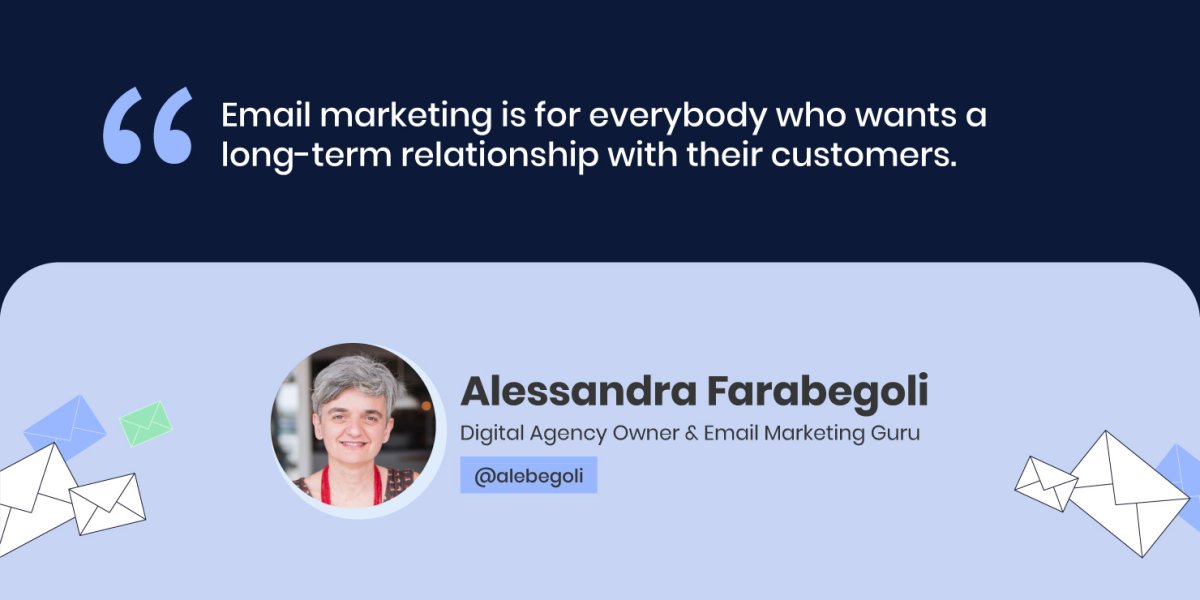
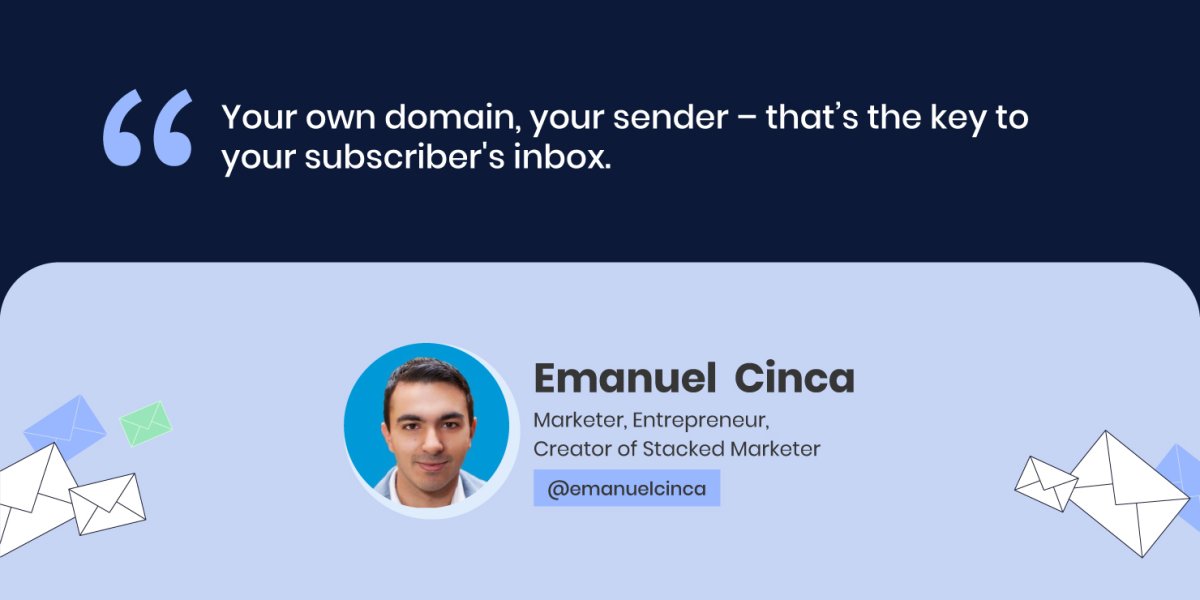
To help you get started and grow your email marketing efforts, right on time for the upcoming holiday season, we organized an #SMBGrowthChat on Twitter Spaces along with Alessandra Farabegoli (@alebegoli), Digital Agency Owner & Email Marketing Expert, and Emanuel Cinca (@emanuelcinca), Marketer, Entrepreneur, Creator of Stacked Marketer. If you missed the live event, we’ve got you covered. Here are their expert tips on how to build and grow your email list, choose the right email marketing solution, optimize your email campaigns, and other key elements for your emails’ success.
Is email marketing right for you
Contrary to popular belief, email marketing is not only for companies with huge budgets, “Email marketing is for everybody who wants a long-term relationship with their customers,” Alessandra Farabegoli, Digital Agency Owner & Email Marketing Expert, points out.
Email marketing is your direct communication channel with your audience that helps you grow, engage, nurture and eventually convert the people interested in your company – whether you’re a blogger, an artist, an NGO, a b2b company, or an event organizer.
“Depending on what resources you have and what strengths you already have within your marketing team, maybe email marketing is not the first thing that you think about doing, but in the long-term, it’s for everyone,” says Emanuel Cinca, Marketer, Entrepreneur, Creator of Stacked Marketer.
Before sending any email marketing campaigns, you need to start gathering subscribers to reach out to. To effectively grow your email list, the main thing you need to do is know your ideal subscriber.
“Know the people who want to join your list, because you have to know where to look for them, how to advertise your list (maybe on social networks), where the people you want to join your list are,” Alessandra Farabegoli advises.
Once you know your audience well, your next step is trying to understand what will trigger them – what kind of interesting and relevant content or reward to offer to these people who are thinking of joining your list. Build your promise around that and tell it effectively – explain what they’ll get, if they join your list.
It’s then crucial to deliver on your promise – “make sure that whatever you promise in any lead magnet or any reason you give people to sign up, the content you deliver, or the information, the products continue to be within that sphere,” Emanuel Cinca points out. For example, if you get people to subscribe to your list through a lead magnet on how to create social media campaigns, but then you deliver content around SEO, that might not be a good idea, adds Emanuel Cinca.
At the end of the day, it’s not the numbers, it’s the quality of your audience, as Alessandra Farabegoli notes. “You want to grow your list with people who actually want to stay with you and continue to read and be engaged in the long-term,” she adds.
If you’re wondering where to find these high-quality readers of your future email campaigns, Emanuel Cinca advises to look for other email lists for people who are already engaged with different newsletters, because in general, newsletter readers read other newsletters. Alessandra Farabegoli adds that guest posts and guest newsletters are also a great way to make you known by other newsletter readers.
If you’re a SiteGround client, using our Email Marketing tool, you can easily add a subscribers form on your website and start building your email list with our Lead Generation plugin for WordPress. It’s a great opportunity to create a lasting relationship with your site visitors, nurture them and turn them into loyal customers.
To collect email subscribers easily and efficiently, it’s crucial to choose the right email marketing solution.
Choose the right email marketing solution
Choosing an email marketing solution that best fits your goals will actually depend on your business needs.
For example, if you’re doing an eCommerce project, you “need automation features that allow creating automated workflows, such as an abandoned cart, or complex welcome series that can segment people and differentiate messages,” Alessandra Farabegoli says.
On the other hand, if you’re doing a newsletter, look at newsletter-focused features – you need to have highly-customizable templates that are easy-to-use, good team member permission to have different roles for different team members (to add and do reports, view and send newsletters), Emanuel Cinca advises. He adds that it’s also important to have an integration with WordPress or any other solution you use. Other crucial features include the view of the email editor, the ability to segment subscribers and send relevant messages to the right people, Alessandra Farabegoli points out.
At SiteGround, we understand that ease of use is key. That’s why our Email Marketing tool is user-friendly and integrated into the SiteGround Client Area, allowing seamless management of your website and email campaigns in the same place. You can choose from our highly-converting layouts, customize them to suit your brand and send your campaign in a matter of minutes.
Top strategies for sending email marketing campaigns
Now that you’ve built your email list with subscribers, you have to start communicating with them directly via email. Here are our experts’ top tips for sending successful email marketing campaigns:
Types of email campaigns you need to send
Our experts are of the opinion that the most important campaign is the welcome email or the welcome series emails, because when a subscriber enters your list, it’s the peak of interest moment. Alessandra Farabegoli advises you to build upon this interest still with the first emails that will make people think it was worth subscribing to your newsletter, as you’re sending them interesting content.
According to Emanuel Cinca, another important type of email you should have is the re-engagement email to clean up your list. If someone disengages after a long period of time (period is based on the emails they’ve received, not on time), send them a re-engagement email. If they still don’t engage with you, he advises you to consider segmenting or unsubscribing them, so that they do not receive as many emails as everyone else. Otherwise, this might hurt your email reputation.
Alessandra Farabegoli points out that if you’re selling online, there are then some more types of emails you need to send, such as post-purchase emails, abandoned carts, winback flows, etc. which you can set up in order to nurture your customers, have them use your products better, and maybe cross-sell and upsell.
An important thing to keep in mind, though, is that you must have a plan, Alessandra adds. This goes to say that you need to create an email calendar with the topics you want to build on and their schedule. “Find a regular schedule to send emails, because consistency is key. Your newsletter must be an appointment. People should know – today, this newsletter is coming and I want to read it,” Alessandra notes.
How often should you reach out to your subscribers
Indeed, it’s important to have an “appointment” with your readers and send them emails regularly. Yet, how often should you reach out to them so that they don’t consider you spammy?
Our experts agree that there’s no one size fits all. The timing will depend on your subscribers’ list, their reading habits, their expectations, what content you send and the purpose of your email. However, there are some general factors to consider when sending emails:
What defines the right moment to press “send”?
Nowadays, everybody checks their email every day – from when they get up until night, but what’s the right moment, when they’re ready to read your message, when they will be interested to read about the topic, or consider buying your product, Alessandra Farabegoli asks. The simple answer is that it depends on your message.
For example, if you’re sending a news email, you can send it in the morning, when most people are reading the news. If you’re sending a sales email and you want the reader to make a right-away purchase decision, mornings are not the best time to do so. For instance, sending an email about planning a trip would perform best outside working hours.
In Emanuel Cinca’s experience with a Monday to Friday newsletter that includes marketing news and the latest case studies, Monday to Thursday still gets the same engagement, because they’re providing readers with information related to the subscribers’ jobs, they are reading it as part of their work routine.
As Alessandra Farabegoli points out, you need to avoid busy times of the week, e.g. Monday mornings are generally not the best moment to send b2b campaigns, but there’s an exception to this rule – for example, welcome emails or post-purchase emails should be sent immediately.
Segment and personalize your email campaigns
Once you’ve identified when to hit the “send” button, you might also want to segment and personalize your email campaigns before sending them out, for better performance and results. Our experts give valuable advice on both the eCommerce and non-eCommerce side of things:
eCommerce projects
“If you work on an eCommerce project, the most obvious segmentation is between people who are already customers and people who are not,” Alessandra Farabegoli says. She explains that there are two main factors to keep in mind – engagement and source.
Engagement is key for eCommerce projects and you need to clean your list regularly – avoid putting people that are less engaged, even though they are customers. You can still write them for sales, Black Friday, special offers, or new product launches, but you need to lower the frequency of sending emails, so that they don’t mark you as spam or unsubscribe from your list.
The source is also very important, according to Alessandra Farabegoli – “if you realize that people, who come from a lead acquisition campaign, don’t buy anything in the end, you may reconsider if this campaign is the right place to advertise,” she says.
Newsletter publishers
Emanuel Cinca gives insight on the non-eCommerce side – for newsletter publishers, you can have segmentation by frequency (when they want emails to be delivered) and activity (re-engagement of subscribers on a regular basis). You can also segment based on the source where people came from – not necessarily to personalize for them, but to know how things are working: ROI generating, readership status, sales numbers, etc., he explains. One more way of segmentation is interests, as Alessandra Farabegoli adds. “Ask people what they are interested in, or use the interest from where they clicked on,” she points out.
With the Email Marketing tool, SiteGround clients can target specific audience groups and add a personal touch with dynamic content variables, such as the first name of the recipient, etc. Our system also automatically suppresses hard bounce email addresses to keep email lists healthy and improve open rates and reputation.
Best practices for optimizing your email campaigns
After sending your email campaign, you’d need to make sure that your deliverability and open rates are as high as possible. Our experts have some valuable advice on how to achieve that, what other key metrics to track, and how to optimize your email campaigns for even better results.
Ensure higher email deliverability rates
According to Alessandra Farabegoli, the main factor is your sender reputation. “To ensure you reach the inbox, keep your promises and send relevant content. The main thing is how you keep the relationship with your subscribers, so that they continue to think your emails are worth opening, clicking and reading,” she explains.
Emanuel Cinca also points out some other important algorithms behind email deliverability. Generally, if you follow the rules of most service providers, you’ll usually not go into the spam folder, unless you’re truly spammy. However, your email can go to the Promotions tab, where less people will engage with it. Emanuel Cinca has a fix for this issue: “The best thing to do is get high engagement on your very early emails, e.g. try to get replies on your welcome email – offer a bonus lead magnet in exchange for replies,” he advises. If you get that high engagement early on, it’ll help your emails go to Updates or the Primary inbox, which means that people get a notification when you send them an email. What’s more, the inbox will be the default one for the new subscribers to begin with, unless they start to become disengaged,” Emanuel Cinca explains.
Another factor that matters significantly is the sender itself. “Your own domain, your sender – that’s the key to your subscribers’ inbox,” Emanuel Cinca points out. However, he adds that some email service providers don’t let you completely set up all authentication, SPF, etc. through them, and then you cannot add your custom domain which is essentially the key to the inbox.
Again, it comes to your choice of email marketing tool. At SiteGround, we take care of the technical side of your campaign sending to make sure your emails hit your audience’s inbox. We have one-time domain authentication that boosts the odds of sending your emails right in your audience’s inbox. The more emails that get delivered, the better your reputation gets.
Make sure your users open your emails
Now that your email has landed in your subscribers’ inbox, what would make them open and read that email? According to Alessandra Farabegoli, here are the top 3 factors that would make people open an email:
Sender’s reputation
“The sender is the first thing we’re checking when browsing through new emails – if this person or company is regularly writing interesting content, then I can give them my attention,” Alessandra Farabegoli says. If not so, people tend to skip, archive or even delete, without reading.
Subject line
Next, you need to write engaging subject lines, because the subject line is the first thing they’ll read. Emanuel Cinca’s experience shows that all their newsletters regularly have very short subject lines, literally 1 to 3 words, which are slight teasers of what is inside.
Preheader text
The preheader text is right next to the subject line and it’s important as it helps readers see what they will find inside. According to Alessandra Farabegoli, the preheader can even be left blank, because in this way your email will stand out, with a bit of space around it.
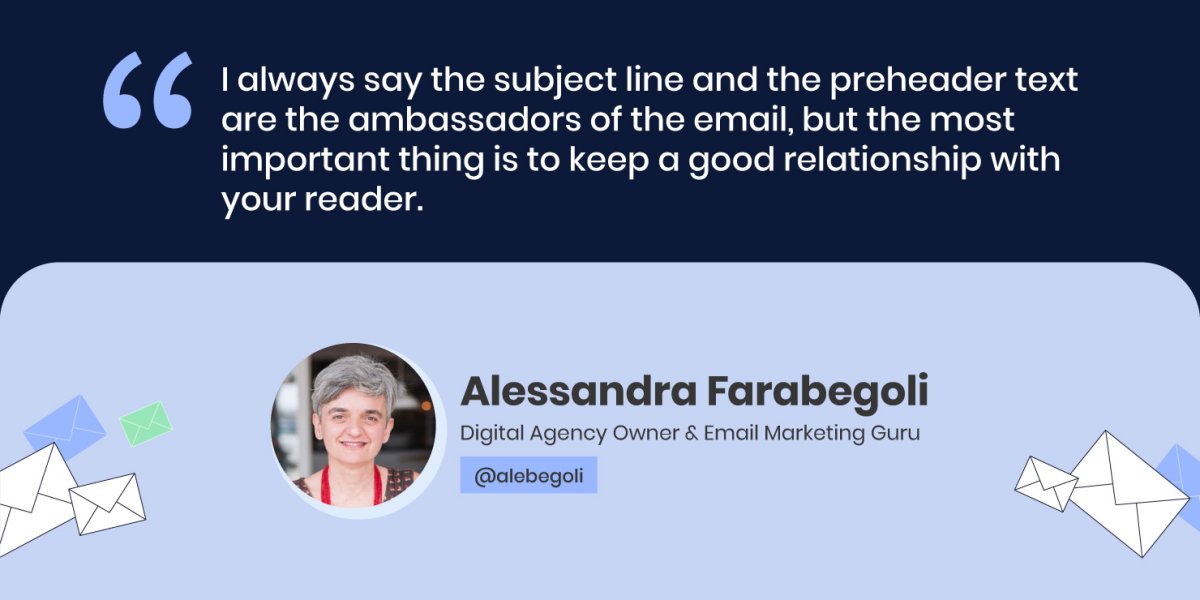
“I always say the subject line and the preheader text are the ambassadors of the email, but the most important thing is to keep a good relationship with your reader,” Alessandra Farabegoli concludes.
Track key metrics to measure your email campaign success
The key metrics that you need to track are those that are important for your business, such as sales or conversions – a download of a document, an actual purchase and others. Then, you need to check “what builds these sales – is it clicks from the website, is it opens, how many subscribers you have,” Emanuel Cinca explains.
However, Emanuel Cinca warns that nowadays “you should be careful about considering open rate as a very important metric – it’s relevant, but you need to have context behind it, because Apple mail privacy protection, for example, opens 100% of your emails over time”.
Both our experts agree that nowadays click-to-open rate (CTR) is really important, because it shows if you’ve built the right call-to-action (CTA) – if people who opened your email, decided to take it a step further, Alessandra Farabegoli explains. “Look at your CTR, are people clicking on what you want them to click, especially if you have a call to action,” Emanuel Cinca concludes.
Perform A/B tests to optimize campaigns and improve results
In case you’re not happy with the performance of your email campaigns, there’s a way to improve the results by performing tests of different email elements.
The first thing to consider, before performing any tests, is your list’s length. Alessandra Farabegoli points out that you need numbers to get relevant and statistically significant results. “You need at least maybe 20K subscribers to get a decent result from an A/B test on subject line, or sender, or timing, for example. If you want to test some content element, such as the CTA, you need at least 10 times that number,” she explains.
Emanuel Cinca agrees that if you send a newsletter one time and you have 1000 subscribers, A/B testing the subject line for them for that one time, won’t yield any results. Yet, he has a workaround, if you don’t have the volume now – you can A/B test your welcome sequence and subject line, if you have such automations or sequences. Start testing from the beginning, even if you have a few hundred subscribers – the important thing is to run this test all the time. Then, after 6 months, you might reach a statistically significant result.
To improve the content you send, you need to receive feedback from your actual readers, Emanuel Cinca advises. One thing you can test is your content structure, he adds – somewhat longer articles, bullet points, etc., split up your content as much as you can. Emanuel Cinca gives a bonus tip, in case you cannot A/B test directly and get the data– to run a survey to your audience.
Our experts agree that email marketing is a powerful tool that everyone can leverage, not only big business owners. Follow their professional tips in this article to make the most of your email marketing campaigns.
Check our YouTube recording to hear the whole Twitter chat conversation and follow us on Twitter for more news and discussions on useful topics.
October, the month of pumpkin spice latte and spooky tricks, has another significant aspect to it – it’s officially Cyber Security Month. This year, at SiteGround we are excited to bring you something that underscores the vital importance of website security in a truly hair-raising way.
We’re thrilled (get it?) to announce our Website Horror Stories campaign, where we’ve gathered real-life stories of digital nightmares caused by neglecting website security, but, thankfully, fearlessly busted by SiteGround. From defaced websites, malicious file uploads, email frauds, bot traffic and vengeful former employees to long-forgotten applications that became hacker gateways – we’ve seen them all, and they all carry a crucial message: Each story is a stark reminder of the potential threats lurking in the digital shadows, ready to exploit any security oversight. Let those cautionary tales remind you of the importance of website security and using all tools and services you have to protect your website at SiteGround.
Celebrate #CyberSecurityMonth, share the Website Horror Stories campaign to spread our message about the importance of website security, and keep your site safe with SiteGround’s multilevel website security tools and services.
Since more businesses are going online, customers’ personal data becomes even more important for hackers who leverage it on the dark web. With Black Friday, Cyber Monday and the holidays ahead of you, as a business owner, you can expect increased website traffic and with it – higher risk of data breaches.
Protecting customer data during these peak shopping seasons is crucial for your business in terms of brand reputation and trust, customer loyalty and protection, laws compliance and cyber attacks prevention.
Increased Cybersecurity Threats
Customer data leakage has indeed become one of the biggest security threats of our time. According to Statista, as of 2023, the global average cost per single data breach amounted to $4.45 million, where the average cost varies across sectors. The highest average cost is in the healthcare industry, with each leak costing the affected party $10.1 million.
In 2022, the most common cause of a cyber attack in the USA was email phishing, according to data by Statista. Some other common threats faced by retailers and consumers include website malware and ransomware, data breaches, identity theft, and others.
The Implications of Data Breaches
All of the above-mentioned cyber attacks can have a huge negative impact on your business. Let’s explore a few ways why is data security important:
Impact on customer trust and brand reputation
To operate with customers’ information means that customers have trusted you with their personal data. If you suffer any data breach, even not your direct fault, your customers will lose their trust in your business. In turn, this will result in you losing customers and profits. Brand reputation damage and negative PR are the other long-term damages.
Legal and regulatory consequences
A data breach will cost your business not only your customers, profits and reputation, but big financial losses. On one hand, you can be held liable for failing to comply with privacy regulations, which in turn can result in a lawsuit with financial consequences, i.e. regulatory fines.
For example, if you collect personal information of EU residents, the applicable law for your business will be GDPR (General Data Protection Regulation), or if you collect consumer data of residents of California, USA, you’ll be subject to the California Consumer Privacy Act (CCPA), and so on. Such regulations and laws will apply if your customers are residents of these countries, even if your business is not located there.
Essential Measures for Client Data Protection: Securing Data Systems
To avoid a data system breach, implement these essential measures to secure data systems:
Keep data systems up-to-date and patched
One of the most common reasons why data systems get hacked are security vulnerabilities in softwares which get exploited by cyber criminals. It’s important to keep an eye on patch releases for the softwares you use and implement them in due time. These will not only bring your software up-to-date, but also keep your data safe.
When you’re using a lot of different softwares, this could be tedious work on its own. SiteGround clients that use WordPress, take advantage of our WordPress auto-update feature. It automatically updates all WordPress installations, hosted with us, and ensures that our customers’ WordPress sites are secure and up-to-date.
Implement robust access controls and encryption techniques
Your access point is another common source of a security vulnerability. To increase security and reduce the risk of data breach, implement the usage of a password management tool which will create, encrypt and store smart passwords for you and your employees for all the tools you access with a password. A tool like this will take care of static data, but now let’s take a look at what happens to data that’s in transit.
A lot of traffic may go through your website, including sensitive information like login credentials and credit card details of your customers. To keep all these protected, you need to encrypt them. An SSL certificate can easily encrypt all this data and it is essential for your website security. SiteGround clients, for instance, leverage free SSL certificates on every web hosting plan we offer.
Enhanced Security Measures and Increased Vigilance during Peak Shopping Seasons
Even though the above-mentioned steps are crucial to begin with, there are some enhanced security measures to follow in order to manage data security protection:
Implementing intrusion detection and prevention systems
You need to have your website scanned regularly for potential threats. Start by implementing an anti-virus and anti-malware software or prevention system. Make sure the tool you choose is reviewed and approved by your security team and the team is in control of it at all times. This will allow you and your employees to stay up-to-date with the latest security measures and updates.
SiteGround clients have the opportunity to leverage our Site Scanner service that helps protect their websites from malware. Our Site Scanner constantly crawls web pages to detect the latest threats that might affect a website, warns clients about such potential threats at an early stage and in a timely manner and gives them tools for reaction, in case their sites are under attack.
For WordPress users, we have an all-in-one security solution – our free Security Optimizer plugin. It’s available to all WordPress users (no matter where they’re hosted) and provides them with all the security measures they need to keep sites safe. The plugin protects sites on application level (hides WordPress version; disables themes & plugins editor, etc.), provides advanced protection, such as locking and protecting system folders, enabling advanced XSS protection, hardens login security, and many other features.
Conducting regular security audits and monitoring network traffic
Even if you implement all these security measures, you still need to monitor your website security status regularly. You need to keep an eye on your site’s security status at least once a month, yet this could take some time, effort and money. As a business owner, you probably have lots on your plate, so you might consider outsourcing this activity.
SiteGround clients receive free monthly security reports, delivered straight into their inboxes. We automatically monitor our clients’ websites and send them detailed summary results, along with actionable tips on what they can improve to reduce the security threats, in case we detect any weak areas on their websites.
Collaboration with Logistics Partners
With all the enhanced security measures in force, you then need to think about your collaboration with logistics partners, i.e. the participants which provide the cloud computing services, such as Google Cloud, AWS (Amazon Web Services), or Microsoft Azure, for instance. Effective communication and collaboration are key for ensuring secure handling of customer information throughout the supply chain. Companies working together is also important for reducing costs, improving service quality and flexibility.
To achieve all these, they need to communicate openly, share common goals and have trust in the partnership. Should they succeed in their collaboration, this will result in different advantages, such as improved customer satisfaction, better risk management and even cost savings.
For example, companies like Amazon or Apple handle sensitive customer data. If they don’t follow strict client data protection standards, there’s always a chance for potential vulnerabilities in the data protection chains. Back in 2019, Amazon Web Services faced a data breach, affecting CapitalOne bank’s 100 million customers’ names, social security numbers, credit scores, and credit card data. An ex-employee was found guilty in misconfiguration of cloud storage servers to access and steal the data.
When businesses collaborate closely with logistics partners, they can ensure the implementation of crucial security measures (e.g. encryption, 2-factor authentication and others). Effective communication and strong relationships with logistics partners are essential factors for a successful overall performance and data security protection.
Employee Awareness and Training
Now that you’ve secured your website on all levels, it’s important to make sure that your employees are also up-to-date with the latest security measures in order to prevent weak points. Start by educating your employees about security best practices. To mitigate human errors, conduct regular security awareness training and checks. Educate employees about the most common security threats, such as phishing, in order to prevent hackers from stealing their credentials and personal details.
Our website can be a good starting point with tons of useful security resources. Visit the security category on the SiteGround blog to get more information on website security topics.
Transparent Communication with Customers
An essential next step is to have transparent communication with your customers about your privacy policy and how you handle their data.
You need to have clear, written Privacy Policy and Data Handling Practices. Important points to cover in it include who can access your customers’ data and in what ways, as well as how their data will be used and how it should not be handled.
Publish the Privacy Policy on your business website and communicate it to your customers, informing them how you collect, store, use and protect data privacy. Keep them in the loop about the latest changes and updates to your privacy policy.
Educating Customers on Secure Online Shopping
Being a customer during peak shopping seasons has its security threats as well. To protect personal information, be cautious of phishing emails, use strong passwords and update your devices and software regularly.
In the unfortunate event of a security breach happening, it’s a good idea to have an incident response plan, developed in advance. Draft thorough steps on how you would contain a data breach or security incident. These should include timely notification of affected customers and/or employees and open cooperation with the relevant cybersecurity authorities. When it comes to a security incident, communication is key. Make sure your employees can report suspicious activities to your data protection security team (or data protection officer), as well as ensure that your customers are informed at all times of any suspicious behavior. Beware what you share with your customers and provide them only with the essential information they need.
With the peak shopping season just ahead of all of us, we can not stress enough on how important protecting customer data is. Ensuring security data protection is key for your business, as it will keep your customers’ trust, brand reputation and your success levels high. Implement the data protection security measures you learned from this article for a successful and secure shopping season. Add a comment below to share with us other security measures that have worked well for your business data privacy or tell us more about your general data protection strategy.
Crafting a successful online presence is an on-going process. From curating engaging content to showcasing your standout products or services, you’ve done it all. But despite all your efforts to engage users on your website, do you still find visitors leaving without taking any action? It’s time to transform those missed opportunities into meaningful connections.
At SiteGround, we totally get the ups and downs of building an online presence. So, here’s some good news: we’ve just improved our SiteGround Email Marketing tool with the new Lead Generation Plugin for WordPress. We crafted an easy way to encourage visitors to engage, subscribe to your email list, and become part of your brand’s journey. Even if you’re new to email marketing, we’re here to sprinkle a bit of magic on your journey.
Build your email list and generate high-quality leads with SiteGround
Lead generation is about connecting with real people who genuinely vibe with what you offer. Your website? That’s where you can find high-quality leads. And, with SiteGround’s new lead generation plugin and email marketing tool, you can attract them with sign-up forms, nurture your leads and clients, and ultimately, increase conversions.
Easy plugin setup and integration
If you’re new to building an email list, don’t worry! Just download and activate our new lead generation plugin for WordPress. Easily connect the plugin with your SiteGround email marketing account, so anyone who signs up will automatically land in your contacts as a “Subscriber”.
Create a form in minutes
Easily create your sign-up form and greet your new subscribers with a “successful subscription” message. Plus, you can assign Groups for each form you make for precise audience segmentation. This ensures that the right message always reaches the right person.
Add a form on your site with ease
SiteGround makes it easy to embed a form on your website, allowing you to connect with users and grow your mailing list. Once you create your form, we’ll provide a handy shortcode for you to place wherever you like on your website. Alternatively, you can seamlessly integrate the form using WordPress Blocks within your WordPress editor – just search for our plugin and pop it in.
Built to match your brand
Whether you use Gutenberg or Elementor for your website, our forms seamlessly adapt to your website’s style, ensuring a consistent brand look. Plus, you can tweak fonts and colors to suit your taste perfectly within your WordPress editor.
More ways to engage
Our plugin seamlessly integrates a sign-up checkbox into your WooCommerce checkout and standard WordPress forms. This gives visitors various and convenient ways to hop onto your mailing list.
Why embed a form on your website?
Putting a form on your website is a smart move. Here’s why:
Build your email list
Collecting email addresses to build your mailing list is the starting point for any email marketing campaign. It allows you to nurture relationships, share updates, and promote special offers directly to those who have shown interest in your brand.
Engage your audience
Adding a form to your website creates an opportunity for visitors to connect with your brand. This establishes a direct line of communication and helps engage your audience, turning casual visitors into loyal customers.
Market your brand with easy email marketing
Build and grow your email list with our new lead generation plugin for WordPress and start sending the right message to the right audience with our intuitive SiteGround Email Marketing tool. Craft compelling campaigns to engage your audience and drive growth, creating a full brand experience.
Ready to boost your email marketing? If you’re a SiteGround client, simply log into your Client Area -> Marketplace -> Email marketing. Once you’ve added the service, you can easily find and download our lead generation plugin in the SiteGround Email Marketing Dashboard under Contacts -> Connect WP Site.