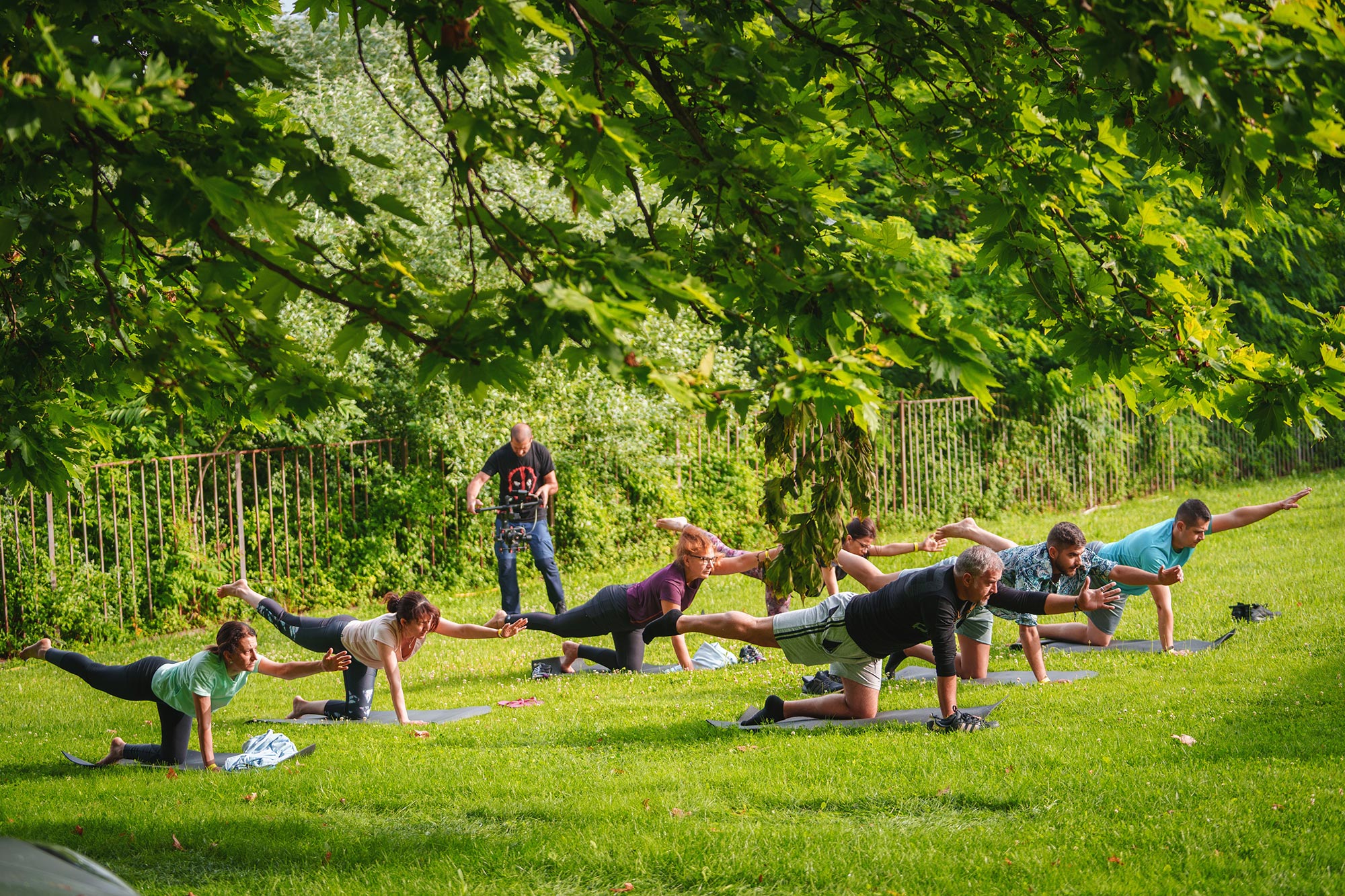
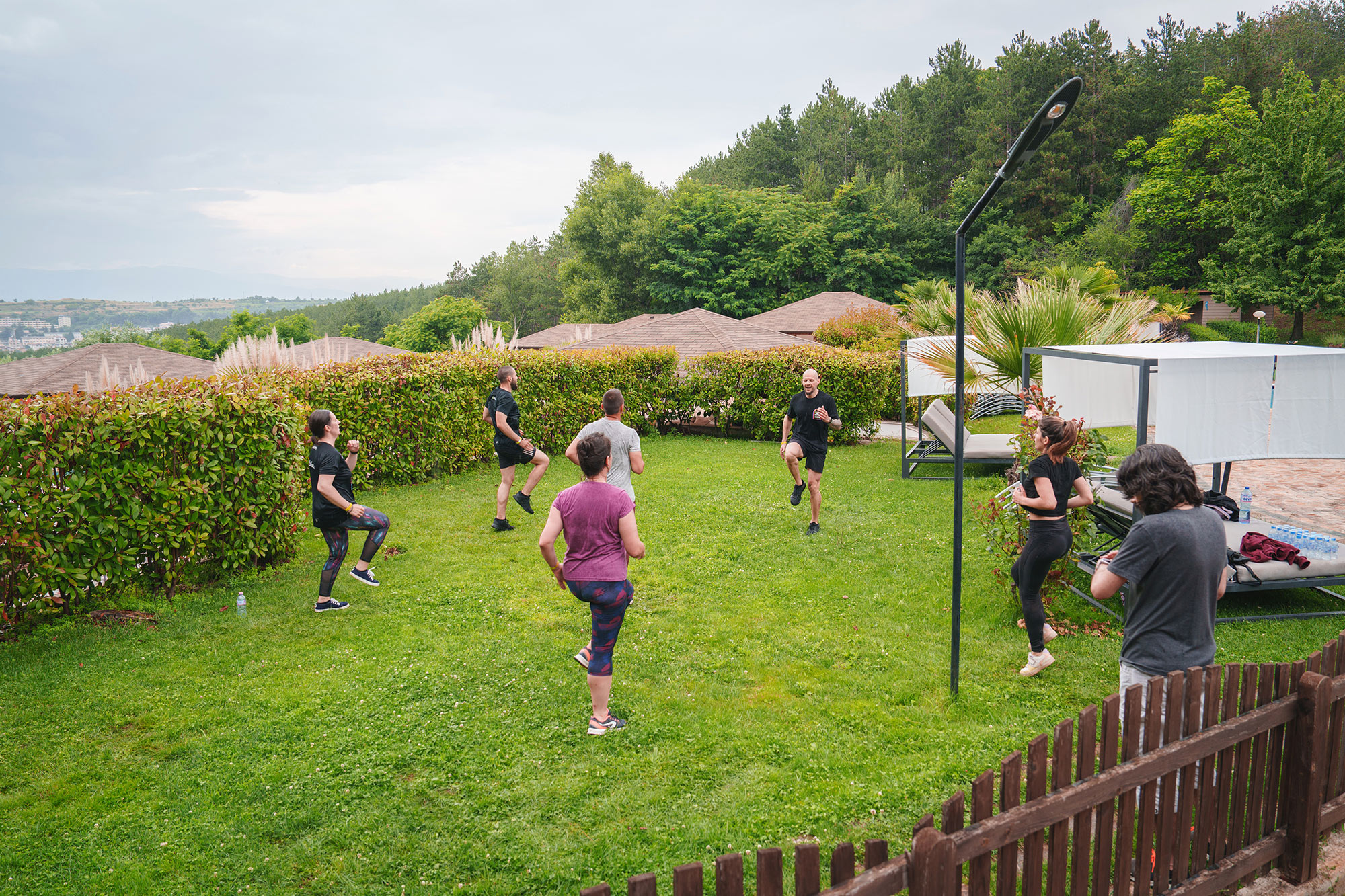
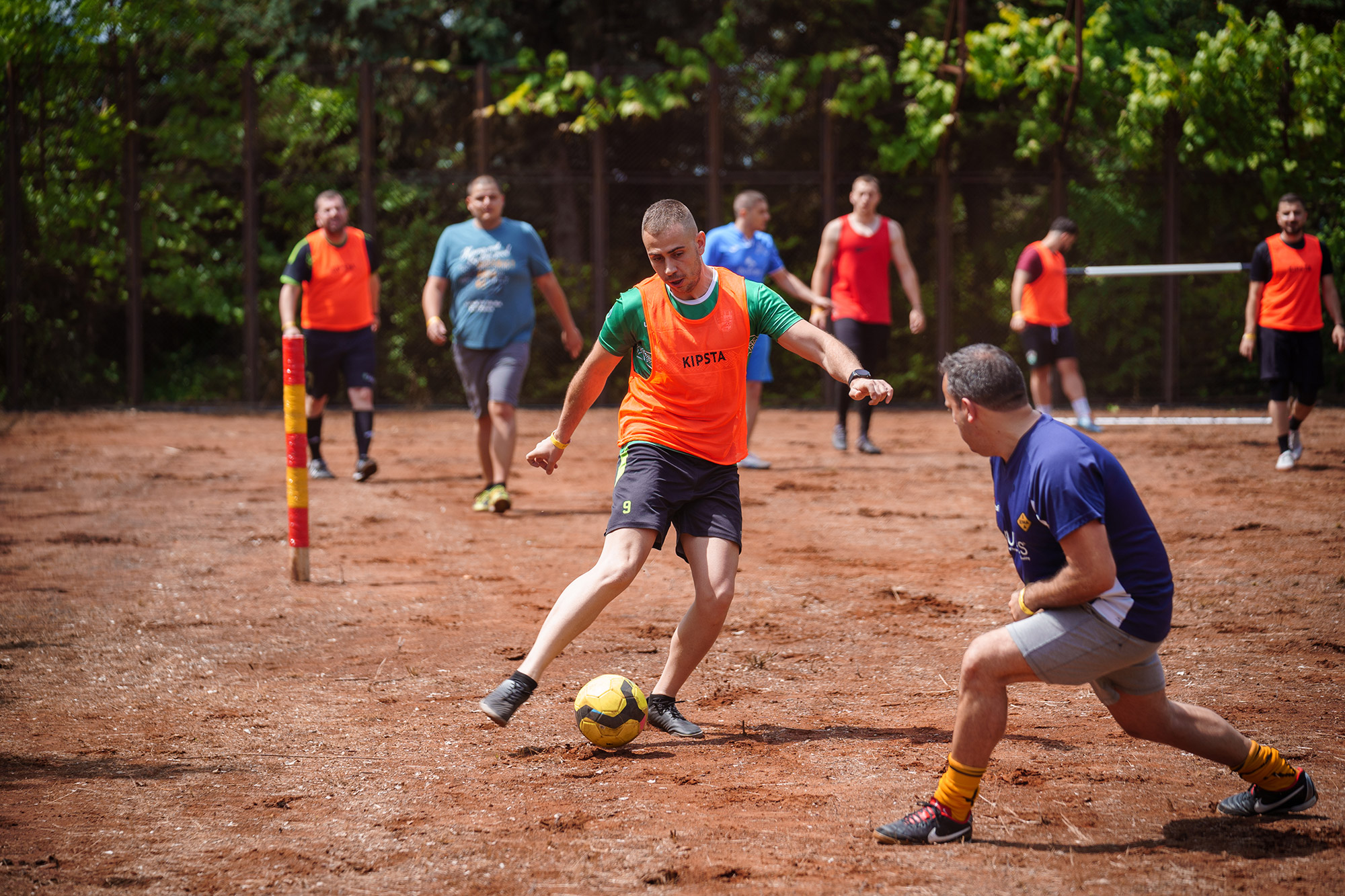
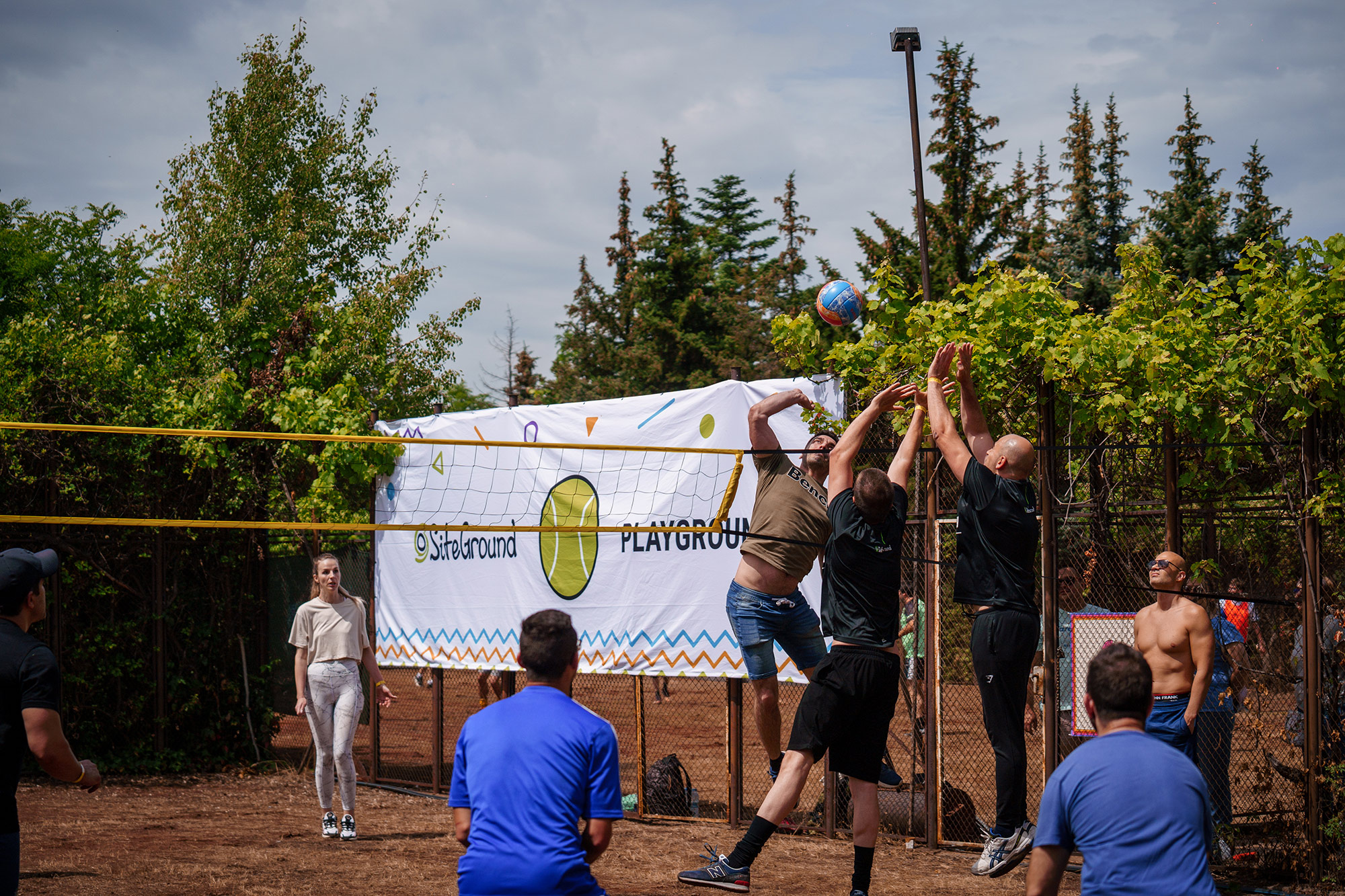
At SiteGround, we’ve always supported, fostered, and cared for the active lifestyle of our team. After office hours, you’d see us skiing, snowboarding on the mountain slopes, windsurfing during summer team buildings, and competing in the Legion Run or with one another during our own Get Fit challenge. As part of our socially-responsible actions, we also regularly support communities and organizations that promote outdoor activities and safety.
We support several Bulgarian Mountain Huts with live cameras and Internet, and the Bulgarian Mountain Rescue Service (MRS) with three avalanche rescue tools. Now, we decided to extend our support for the rescue service with 4 high-tech rescue drones, crucial for the timely discovery of lost people in difficult mountain terrain.
How the New Rescue Tools Will Help
The specialized drones are equipped with thermal-vision cameras, an advanced zoom, and premium performance for precise search and rescue operations of mountaineers in trouble. The drones are a DJI Mavic 3T model and their total value is nearly BGN 50,000. The four devices will cover the territory of the main and busiest mountain ranges in our country – southern Central Balkan, Rila, as well as south-western Pirin, Slavyanka, and Belasitsa, which are all preferred destinations for mountain tourism.
The new equipment will help mountain rescuers locate people in need in hard-to-reach terrains more quickly and easily. The drones will allow them to be much more effective in complex and severe rescue operations during extreme weather conditions too.
SiteGround Donates 4 Drones to the Bulgarian Mountain Rescue Service
Over the past year, the bold Mountain Rescue team helped more than 2,500 people and conducted nearly 170 rescue operations in the high mountain. “Our activities are always performed with increased risk and in difficult weather conditions. Thanks to SiteGround’s donation, we will be able to find people injured in the mountains faster and provide them with timely and adequate help, while we save the strength and health of the mountain rescuers themselves by exposing them to smaller risks. We are beyond grateful to SiteGround for its social strategy, for understanding the problems in the mountains, and for the invaluable help”, said Emil Neshev, Director of the Mountain Rescue Service.
We are happy to make the crucial work of mountain rescuers safer, more efficient, and convenient. If you love to spend time in the mountains, like many people on the SiteGround team, don’t miss to take a look and download on your phone our mountain safety guide that can help anyone prepare for their hike.
Have a happy upcoming winter season, but remember to stay safe in the mountains! 💚
As an organizer of WordCamp US 2023, I am overjoyed with how the event turned out. This was my first in-person WordCamp in nearly four years, and it did not disappoint. There were insightful sessions, plenty of fruitful networking opportunities, and community engagement that made this WordCamp a tremendous success. This was my first time helping to organize such a large-scale WordCamp, and the experience was rewarding.
Community Summit
The first two full days that I was in Washington DC were the Community Summit. There were dozens of discussions, brainstorming sessions, and planning for the future of WordPress. While I can’t speak to specifics of the event, raw notes for each session are available on the Make Summit site.
My personal highlight discussion was the session on DEIB and the WordPress community. While the conversation itself was convivial, the hard and harsh reality of the negative aspects of the community made it a stressful discussion to be a part of. Still, I’m hopeful from this and other sessions that we’ve identified areas where we can improve, and more importantly some methods that can help to get us there.
The WordPress community deserves the best and has the ability to do better all the time. This summit was proof of that!
Contributor Day
Part of WordCamp US 2023 that I had a lot of input and focus on was Contributor Day. A Contributor Day is part of a WordCamp where the WordPress community comes together to work on the project itself. Whether it is writing code for core and plugins and themes, translating things, making new educational content, or finding ways that the community can bring others in, there are a lot of ways to get involved.
One of the most important things for Contributor Day this year was to ensure that we were welcoming new contributors as best as possible. I have been to many contributor days, and most follow a similar format. The organizers share a brief overview of the different Make teams, groups split up and try to figure out how to get into the wifi and on Slack, they work on things throughout the day, then share at the end what they worked on.
This time, we decided to cut out the first and last portion, since teams provide updates at their own pace, and can also post them online. Instead, we had new contributors arrive an hour earlier than returning contributors to go through an onboarding session. We also gave color-coded bandanas to team leads and new contributor guides to make them easy to find. The new contributor guides were important to make sure that people felt comfortable walking up to someone and knowing that they could ask questions without bothering them.
“Contributor Day is one of the things that I was most looking forward to.”
~ david wolfpaw
Of everything about WordCamp US this year, Contributor Day is one of the things that I was most looking forward to. Not just because I helped to organize it, but because it would be one of the first times in years that so many people involved in WordPress were able to gather in person and work on the project in groups. Being able to collaborate remotely is great, but having those in person hours to really hash things out together is priceless.
“This has to have been one of the largest contributor days ever for a WordCamp. Around 500 people came together to work on writing code, creating documentation, doing translations, developing training, and doing things that make WordPress better all around.“
~ david wolfpaw
One of the downsides to being an organizer means that I didn’t get to be quite as involved as I’d like to be. Instead of sitting down with the Community team or one of the coding teams, I was constantly checking in to make sure that everyone had what they needed to succeed. It was a good problem to have, but it kept me away from having the same experience. Still, I am thankful that I was able to play my small role in ensuring a good day. While I couldn’t solve every problem that came up on Contributor Day, I still helped to put together a space where all of these contributors could do work, and where new contributors could learn and get involved. I’m proud of the work done this year, and I look forward to the recap so that we can learn what worked and what didn’t to refine again for next year.
If you have any interest in how to get involved in the WordPress community, check out make.wordpress.org to see the teams that you can get involved with, and how to contact each of them.
Conference Days
After the Community Summit and Contributor Day, I was already three days into WordCamp US before we even got to the actual main event. To say that I was running low on energy is an understatement! Even my daily morning iced espresso wasn’t enough on its own to keep me focused on the day.
What really kept me focused and active were the wonderful conversations that I had. This was with old friends who I hadn’t seen in person in nearly four years, as well as new friends who I got to learn about and bond with throughout the week. Nothing perks you up like an interesting conversation with an engaging partner.
I started my conference days by helping with registration. The first hour of day one is the most physically active, as everyone is arriving at the venue at the same time to check in. While there were booths setup to print badges, it still caused a queue to form, so I helped by handing out lanyards and pins in advance, and sharing information on when and where events were, as well as preparing attendees to go to the sponsor area and to get their attendee shirts.
Honestly, the meat of WordCamp US 2023 was the two conference days at the end. Over 30+ sessions there were speakers, new and old, sharing their experiences and knowledge with eager audiences. I sat in on sessions where I could, and as expected everything was well prepared and interesting. I came away with even more notes and ideas on projects to work on when the conference is over.
The Expo Hall
Sometimes people avoid the expo hall at events because sponsors and vendors can feel a bit spammy. The feeling is that they will do anything to sell you on their products, and that they don’t provide real value. At WordCamps this can’t be farther from the truth. These are companies that underpin the community, and their employees literally help make the community and code happen. I’ve always found people to be there because they want to be, not because their company made them attend.
“These are companies that underpin the community, and their employees literally help make the community and code happen.“
~ david wolfpaw
Part of my day was spent with my friends at SiteGround at their booth. I love folks walking up to me and asking me questions about hosting, considering that I use multiple hosts and don’t work for SiteGround. I can honestly answer about the pros and cons about various hosts, and the fact that I have been a consistent customer for a decade at this point. People really seem to want to know more about businesses in the sponsor area of WordCamps, and not just pass by for the free swag. That said, the swag was pretty nice! I already put a foil SiteGround unicorn sticker on my coffee cup, and the tote bag will be getting a lot of use.
If you ever find yourself at a WordCamp, don’t skip out on the sponsor hall!
“It’s where you’ll make great connections, meet new people, and find companies to work with.”
~ david wolfpaw
Most Valuable Lesson as an Organizer
Undoubtedly, the most valuable lesson I took away from being a small part of the WordCamp 2023 organizing team was the significance of meticulous planning and effective delegation. Coordinating a large event like this requires a well-structured timeline, clear communication, and a dedicated team. By delegating tasks to individuals with specific expertise, the team was able to ensure that each aspect of the event was well-executed and no detail was overlooked.
Additionally, I witnessed the importance of adaptability and contingency planning. Despite our best efforts, unforeseen challenges will always arise, and this WordCamp was no exception. Being prepared to pivot and find solutions on the spot helped us maintain a smooth experience for attendees and speakers alike.
The most important takeaway when it comes to adaptability is to listen in the moment to attendees, and to ensure that the full volunteer and organizing team are ready to report any issues that they see. We organized via Slack, and the proper person to solve a problem was ready to see and react as soon as an issue was spotted. Whether updating signage, changing a room for talks when the existing one didn’t work out properly, or helping attendees with individual needs, we were ready to respond.
Future Involvement
Would I help to organize WordCamp US or another WordCamp again in the future? Absolutely. This is far from my first event, but it was my first event as an organizer in four years.
I feel like I have a renewed sense of commitment to the WordPress community. Having to meet remotely only led to a bit of burnout.
“As someone who works almost exclusively online, the in-person events are a lifeline and reminder that none of us are in this alone.”
~ david wolfpaw
WordCamp US 2023 was one of my most memorable events yet, and I appreciate the support given to me by SiteGround and everyone else who made it an enjoyable and fruitful conference.
Welcome to my series about life at a major WordCamp! My name is David Wolfpaw, and I am a SiteGround Ambassador, WordPress developer, and have been a WordCamp organizer since 2012. This year the SiteGround team and I decided to give you an insider perspective from the flagship WordCamp North America event, where I’ll be happily volunteering as an organizer.
WordCamps are annual gatherings of business owners, bloggers, developers, designers, and anyone else with an interest in WordPress. They take place all over the world, and are a core part of the WordPress community.
The flagship event for North America, WordCamp US, starts this week. I’ve been attending them for years, and I’m excited for my first WordCamp US where I will be volunteering as an event organizer. My intent with this series is to share my firsthand experience at the event, as well as some behind-the-scenes planning work, and tips to make the most of attending a WordCamp, or any other professional conference.
The most important things at a professional event like WordCamps are the following:
Networking and making connections for your business
Getting valuable information and ideas from speakers
Finding the fulfillment in your WordPress journey
Throughout the week I’ll be offering ideas and resources on how to achieve the above, and how better to start than with pre-event planning? Today we’ll discuss:
Finding sessions to attend
Connecting with speakers
Finding other attendees in your space
Ensuring that travel and tools are planned
Crafting a Session Schedule
The wide variety of sessions available at a flagship WordCamp like WordCamp US can be overwhelming. This year has over thirty sessions across two days in three rooms, and that’s toned down from years prior! With so many sessions, it can be hard to figure out what to prioritize.
When I look to the schedule I have a few criteria in mind. Sometimes I look to the speakers, looking for names that I know from social media and blogs. Sometimes I read through every session description, taking note of technologies and tools that I’ve been interested in learning, or just choosing based on an interesting title. There have been a lot of serendipitous session choices in the past, like a session on web publishing that I attended solely because I liked the speaker, and it turned into a conversation that led to a new client.
If you see multiple sessions that you want to attend at the same time, check to see if they will be recorded. Most WordCamps record their sessions to later post to WordPress.tv, making it easier to avoid the FOMO that comes from two great talks happening at once.
Connecting with Speakers
The conversations that you have at a WordCamp can easily be the most valuable part of attending the event in person. Content is great, but connections are better. Getting face-time with speakers can put you on their radar when it comes to work. As both an event speaker, and an attendee, I’ve found that it really breaks the ice to have something to talk about already, which can easily lead to further conversations. Most of my clients have come from word-of-mouth, including from speakers and attendees at WordCamps.
You don’t just have to wait until the event to reach out though! I don’t recommend blindly spamming all event speakers, but look through bios and talk descriptions and see if there are any individuals that you want to ensure that you connect with. Send them a short message, expressing your interest and excitement for their presentation, and your wish to say hi during the conference. Event speakers have already put themselves out there by applying to speak, and absolutely want to share with attendees.
Finally, make sure that you find out what communication methods the speakers that you’ve connected with in person prefer for followups after the event. Again, they came to share and they want to talk to attendees as well! Don’t be afraid to talk to them, and don’t be afraid to follow up later if they share contact information with you.
Networking with Attendees
Speakers aren’t the only people that you’ll want to connect with at WordCamp. You’ll also want to find like-minded attendees who you can build business relationships with.
It’s easy to assume that anyone else working in the same space as you is a direct competitor, but WordCamps are a great example of the opposite. I have met plenty of other WordPress maintenance providers who could be considered competitors to my company, FixUpFox. But I’ve met other agency owners who shared tips with me, passed along client contacts, and have become clients themselves.
We all have our own niches and specialties, and when the customer who just isn’t right for you comes along, but you know someone who might be a better fit, wouldn’t you want to pass them along? And you’ll be on the top of their mind when they have clients that fit your niche in return.
Preparing your Tools and Travel
WordCamp US has made part of my travel easier, by hosting in a convention center with a hotel, making it easy to get around the event. But prior to the event I needed to make sure that I had a flight to a nearby airport, a ride lined up for there and home, and I’ve checked the train schedules in advance to ensure that I can easily go from airport to hotel.
I’m also making sure to create a packing list, ensuring that I have everything that I need to stay connected and comfortable at the event. Take a bit of time to think about what you need while at a conference, from clothing to coffee, toiletries to technology. And while you’re at it, check out the SiteGround TikTok account for some quick tips and additional resources for preparing for WordCamps.
One more tip that I want to make sure to address is to listen to your body and focus on your health before, during, and after events. I unfortunately had to skip my last WordCamp because I got sick, and I didn’t want to spread that to any other attendees. I’ll be watching my health this week, including while I’m at the event.
Sometimes you just need some quiet time to yourself, and that’s ok! You’ll never be able to do everything at an event, but that’s ok. Knowing that there are limits to the number of sessions that you can attend and the number of people that you can talk to means you can prioritize what is most important to you at the moment.
Finally, take care of yourself post-event. It is easy to get caught up in the emotions of an event where you are surrounded with hundreds or thousands of like-minded attendees. Then you get back home, to your day job, where you have the daily grind of life to attend to. If you have the ability, take a day off after the event to rest and recharge. Even extroverts can get worn out from lots of social time.
More to Come
Follow along for the rest of the week while I share the journey to WordCamp US as an organizer and attendee. And if you are attending yourself, come say hi!
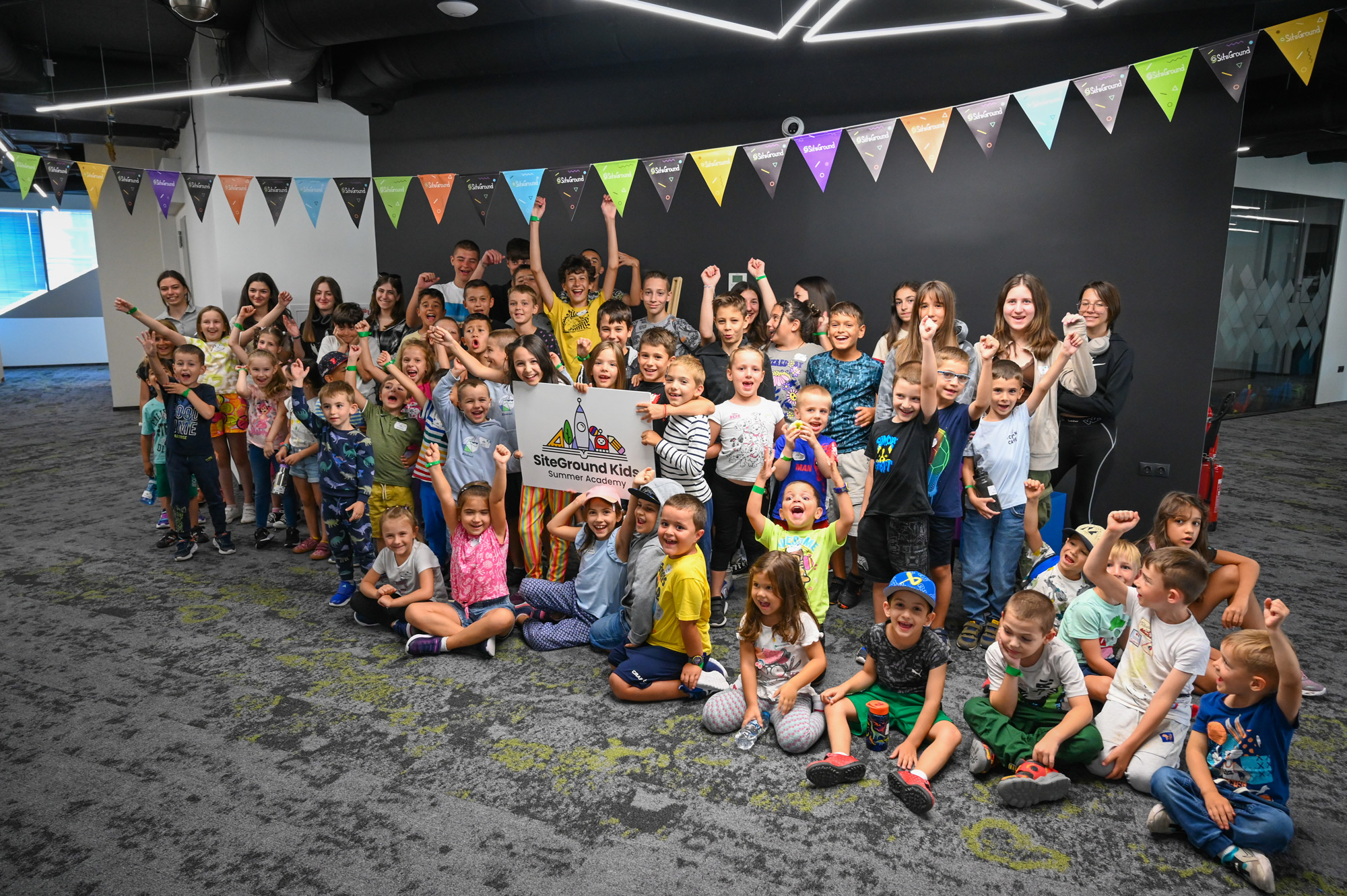
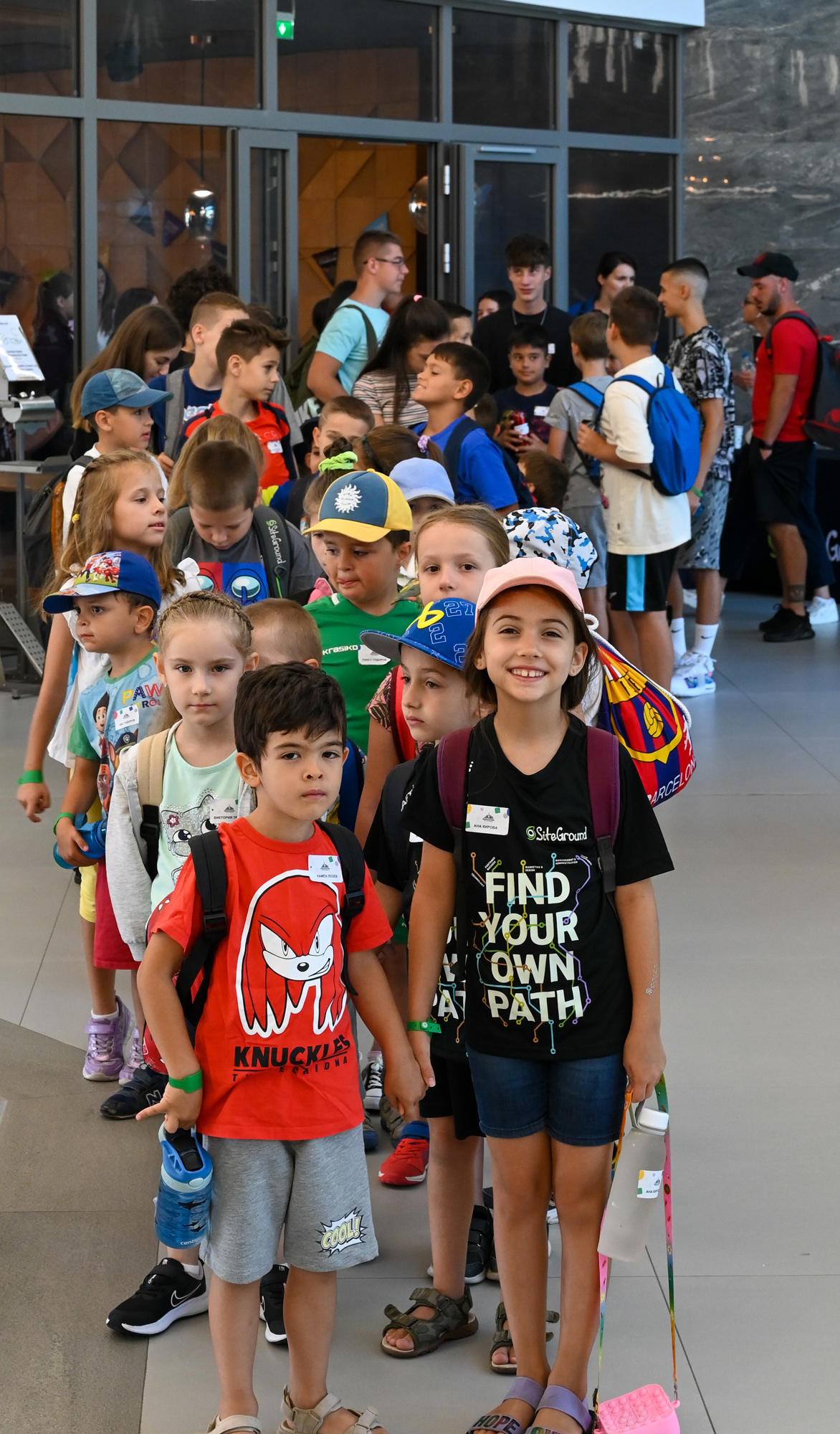
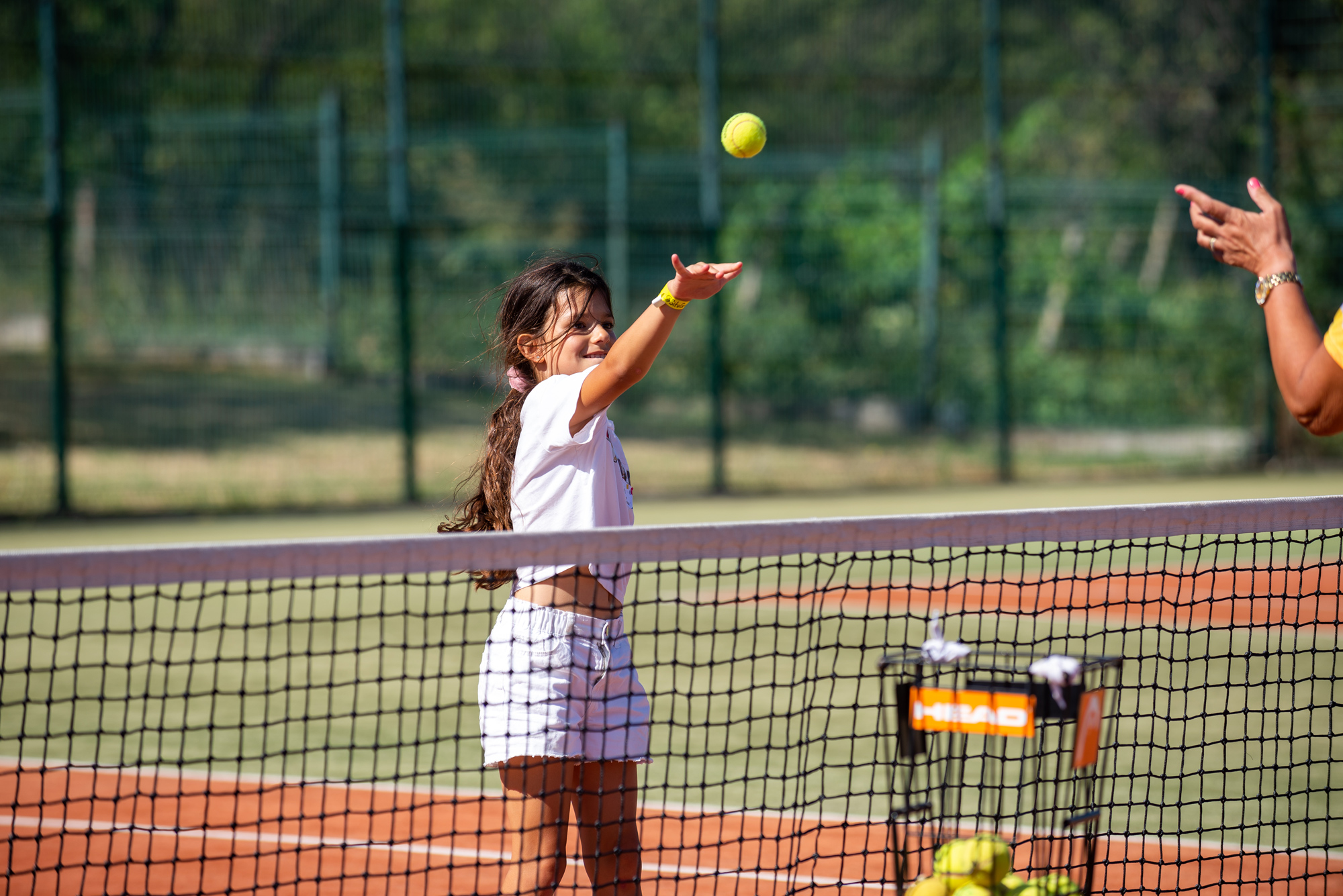
This August, I had the pleasure of having my children attend the SiteGround Kids Summer Academy, a week-long event for the kids of all SiteGround employees in all our office locations. The academy takes place for a second year in a row, and it was packed with activities that were both fun and educational for a total of over 100 children, all in different age groups.
Kids in the office? Mission possible
The idea behind the academy every year is to help the parents on our team during the Summer months when most of the children are off from school. We try to craft a unique “Summer camp in the office” experience, tailored to the interests of every age group so that it’s at the same time fun, useful, and inspiring for the little ones. If you’re a parent, it really means the world not having to stress about your kids’ Summer activities for at least a week, and it really helps you feel more relaxed, happier, and productive at work. And as for the kids – they are having the time of their lives.
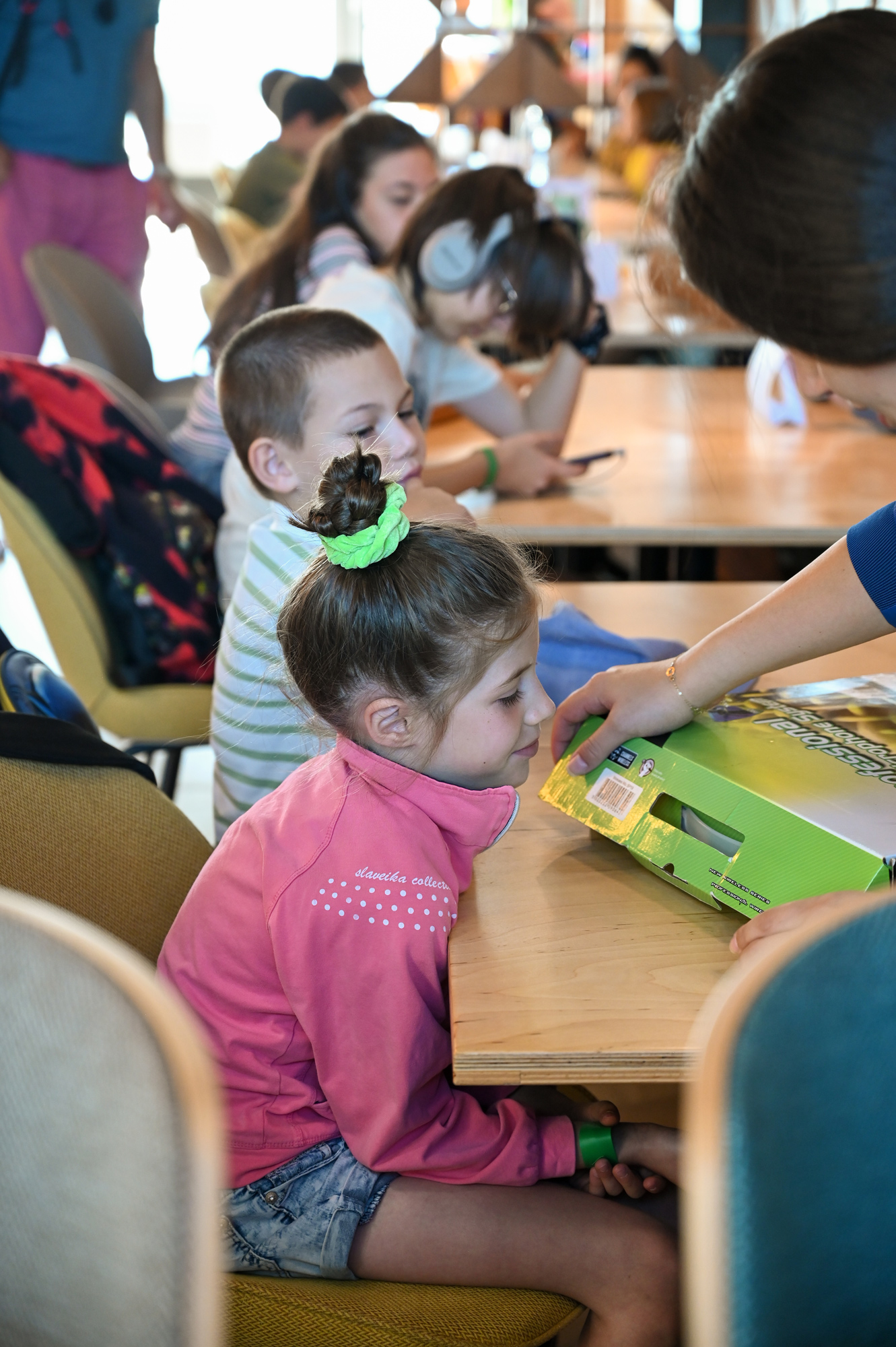
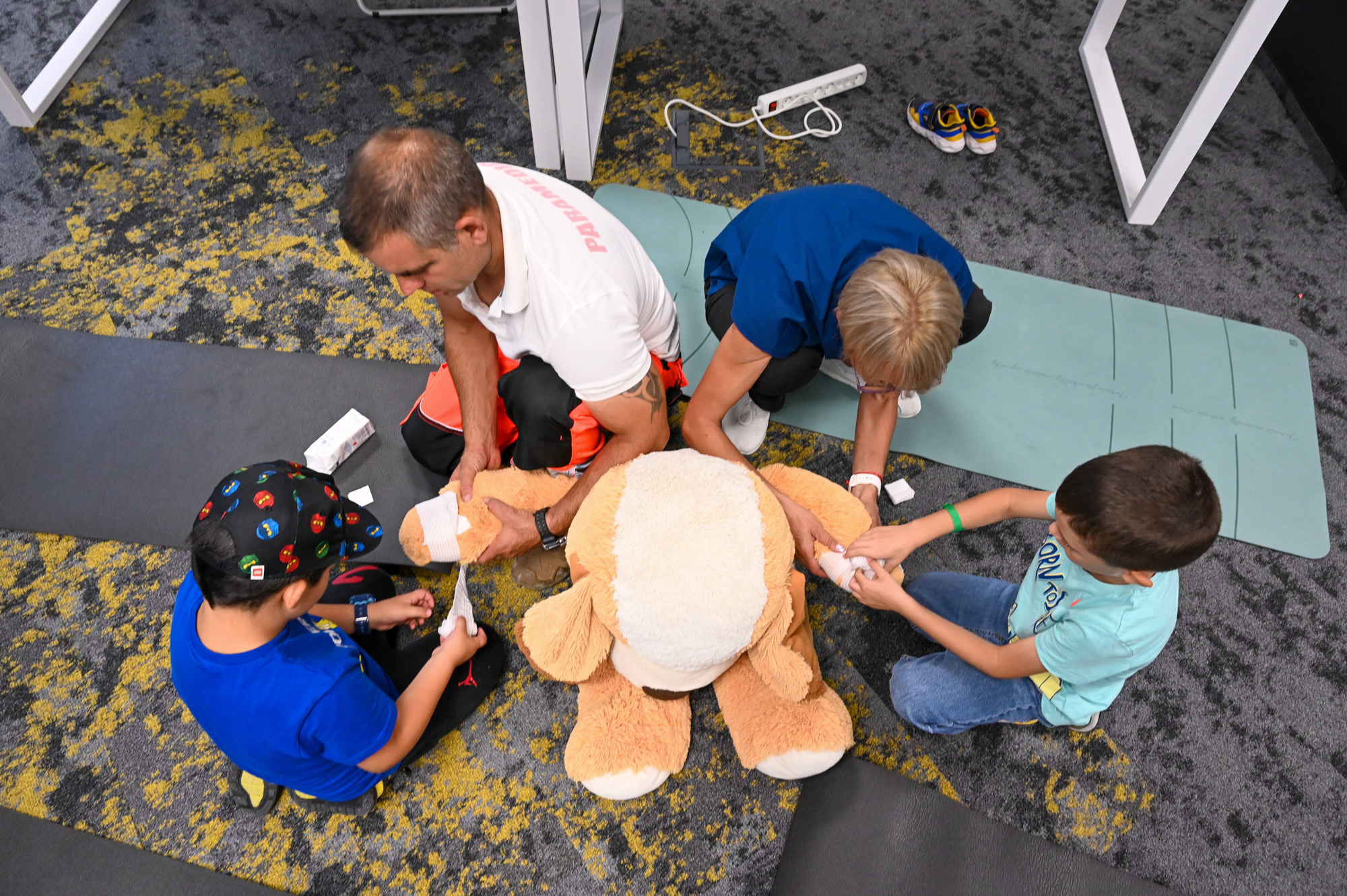
They had a very well-structured schedule for every day, with professional guides, instructors, and caregivers managing the different age groups at all times. Even better – the Academy was built with great care for the people working in the office as well so that it does not affect our work process – thankfully we have plenty of spaces in and around the SiteGround offices to accommodate both work and fun for everyone! So while the kids were having a blast, me and my co-workers were able to focus on work, knowing that our children were in good hands. In addition to sports, educational labs, and workshops, all SiteGround kids enjoyed healthy meals in our office restaurants, with plenty of time to make new friends – even some of the grown-ups were sneaking in for some ice cream and treats in the afternoon breaks with the kids.
Our Shared Values
One of the things that makes SiteGround Kids Summer Academy so special is it is driven by the inherent values of our team. This year we took this further, and dedicated each day of the Kids week to one of SiteGround’s core values:
Work with purpose: we teach kids how to set goals and work hard to achieve them.
Respect yourself and others: we stress on the importance of treating everyone with respect, regardless of their race, religion, ethnicity, age, gender, or else.
Challenge yourself: we encourage kids to try new things and step outside of their comfort zones.
Do everything with care: we promote care for the environment and everything around us in everything we do;
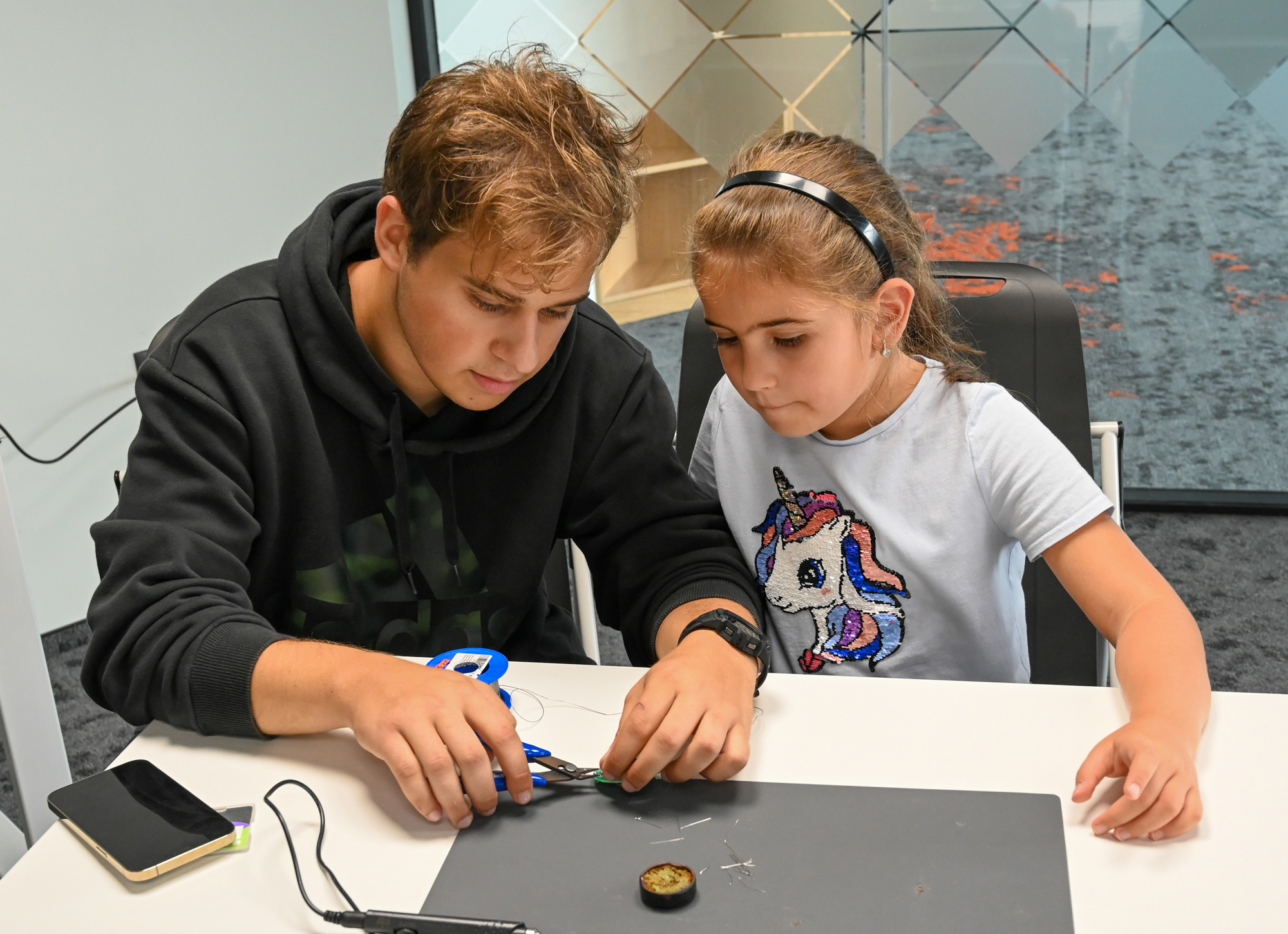
Innovate through technology: we provoke the kids’ interest in new technological advancements and how they can be used to solve problems.
Learn and Have Fun
In addition to learning and applying the SiteGround values, the kids also have the opportunity to develop new skills and talents. They participated in sports, learned about robotics, took part in space training, recycling workshops and much more.
SiteGround Kids Summer Academy is a truly unique and valuable experience for both the kids and the parents. There are many factors that contribute to one’s sense of engagement and commitment to their team and company. However, I believe that the key element is community, care, and shared values. When we feel like we are part of a real community, where we can share values, build together, invent, have fun, support each other, and take care of each other with respect and a smile, the magic happens. As a SiteGround employee, I’m proud to say that our company is committed to include families in that as well.
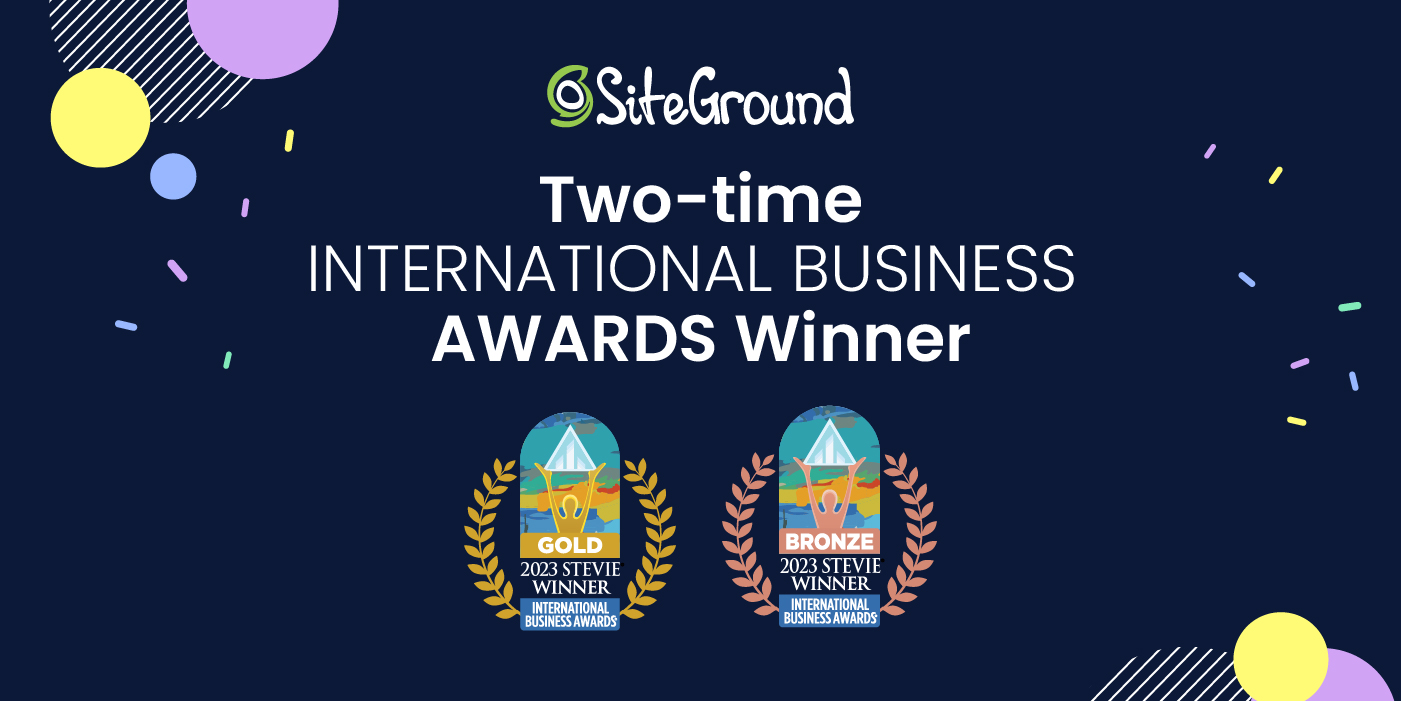
SiteGround is now a 4-time Stevie Award Winner for Customer Service Excellence
SiteGround was named the winner of one Gold and one Bronze Stevie® Award in the Corporate & Community – Green Event and Customer Service Department of the Year categories in The 20th Annual International Business Awards®.
The Stevie Awards are the world’s top honors for customer service, contact center, business development and sales professionals. This year’s awards had more than 3,700 nominations from organizations in 61 nations and territories and Stevie Award winners were determined by the average scores of more than 230 executives worldwide who participated in the judging process in June and July.
SiteGround won a Gold Stevie® Award for supporting The Shackleton Mission and promoting the cause of adding over 4,000,000 km2 in the Southern Ocean as protected areas. “We believe that success lies only outside the comfort zone, that the courage to follow a dream, even if everyone tells you it’s impossible, makes you a true adventurer and a true entrepreneur. This similarity is at the heart of our support for this mission. We are glad that it was not only successfully completed, and ended up with 8 Guinness World Records, but more importantly, that it raises an alarm about the protection of the oceans and the protection of nature in general: a cause that we hold very dear and find close to our company values”, shared Tenko Nikolov, CEO and Ivo Tzenov, founder of SiteGround.
SiteGround’s Bronze Stevie® Award is presented for the excellent work shown by the company Customer Care team and their exceptional results, also underlined in the honorable Jury evaluation: “I was impressed by how the team consistently increased the chat satisfaction ratio from 96.04% in 2020 to 98.57% in 2022.” At SiteGround we have always taken pride in the level of customer service that we provide. What sets us apart is precisely the care for our customers, the attention to every detail, the responsibility to provide the best assistance and that helped us to grow and to develop and become a leader in the international technology market.
“For us, optimizing our customer experience is a never-ending process, and we are committed to going above and beyond, thanks to the extreme dedication of our team and the priceless support of our loyal clients,” said Reneta Tsankova, Chief Operations Officer, SiteGround. “Being recognized at the Stevie Awards in this way inspires us to keep building the best customer experience we can.”
Details about The International Business Awards and the lists of Stevie Award 2023 winners are available at www.StevieAwards.com/IBA.
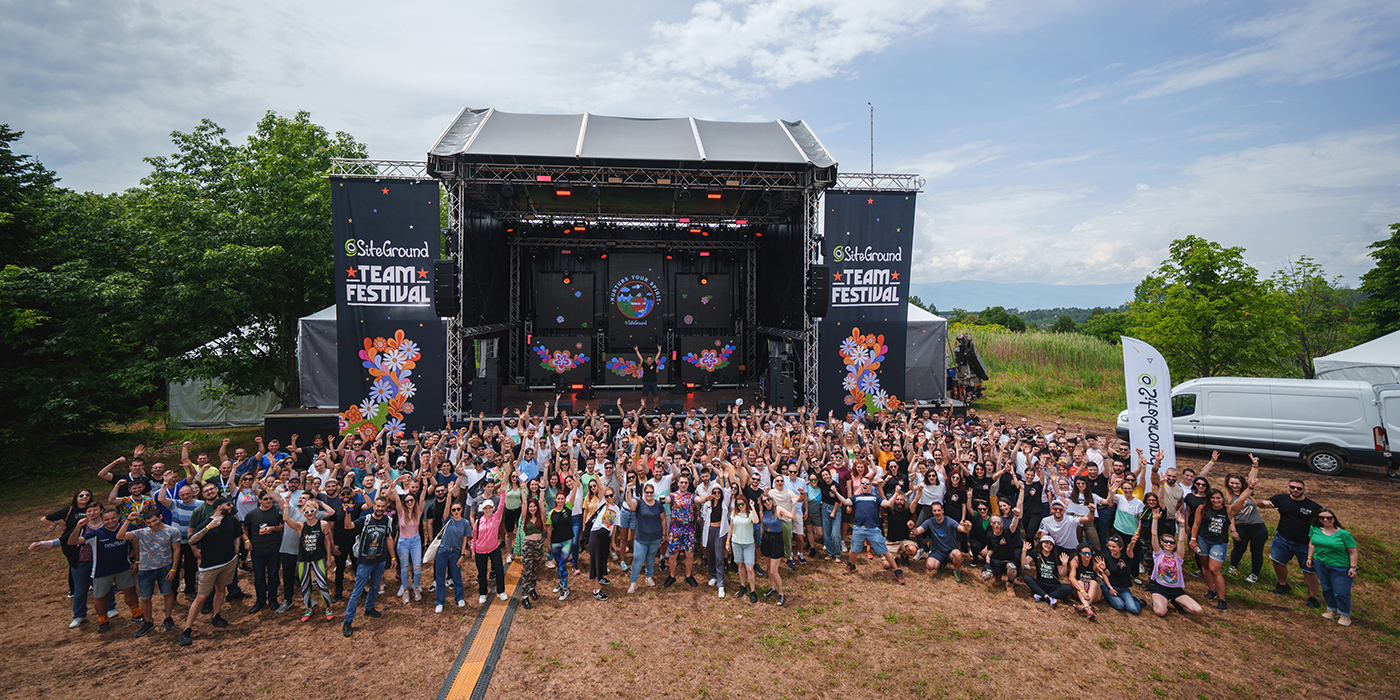
This June marked the 5th SiteGround Team Festival, but for me it was the first one. Even though I joined the company more than two years ago, it was right after the pandemic hit and the world just stopped, so it took a while, but the wait was so worth it. My bar of expectations was already set pretty high, as I had heard legends about the past SiteGround Festivals (in 2016, 2017, 2018, 2019), even before I joined the team. Indeed, it turned out to be so much more than a team building event, more than a festival – an experience. An epic one.
🏰 A tour of the festival’s location
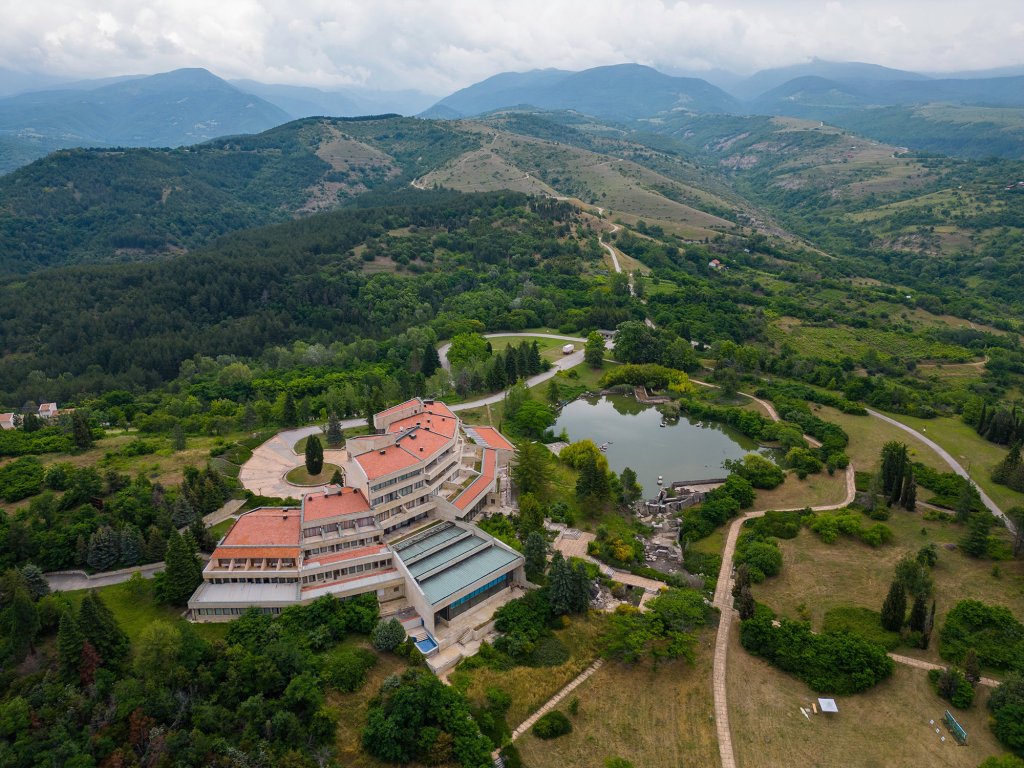
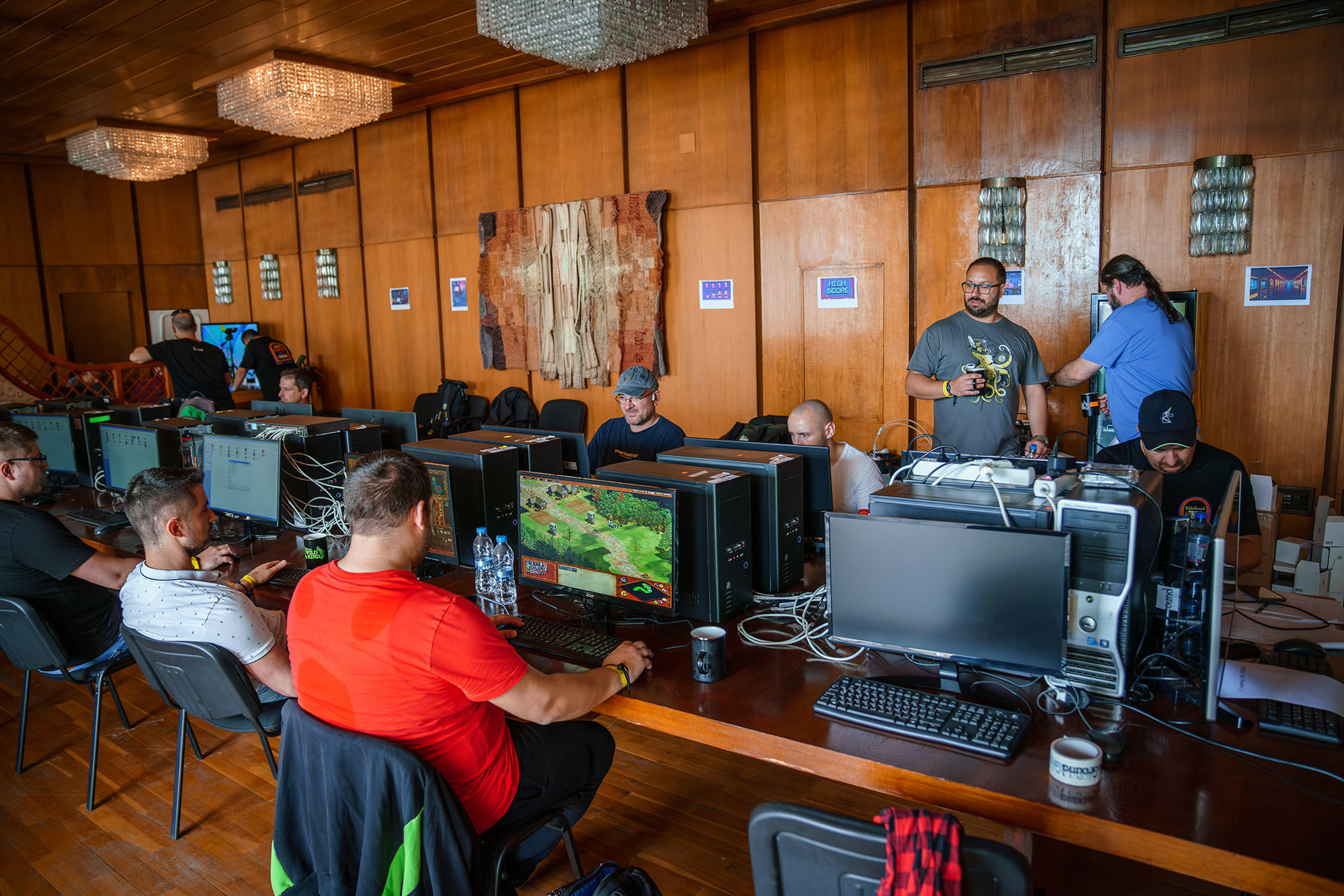
Our Team Festival was located in the surroundings of a beautiful residence, built in the early 80s. The area around it has large lawns, forests, diversity of plants and animals species, even its own lake! The building itself was quite interesting as well, and everyone had a chance to sign up for a tour inside the place. Here are the top 3 things that stuck in my memory about the backstory of the residence. The building was constructed way back in the 1980s as one of the residences of the social political party leader at the time. All the materials used for building it were produced locally, that was part of the whole idea around the construction. Huge and impressive chandeliers were hanging from the ceilings in every room, hallway, and bedroom.
The place where it was built was also not chosen at random – they had scientists inspect the air, wind and soil quality carefully before deciding on the construction site. Because of the unique location, surrounded by mountains and wind currents, the air in this exact place is supposed to be one of the cleanest and freshest ones by miles.
🎪 A glimpse of the workshops and activities
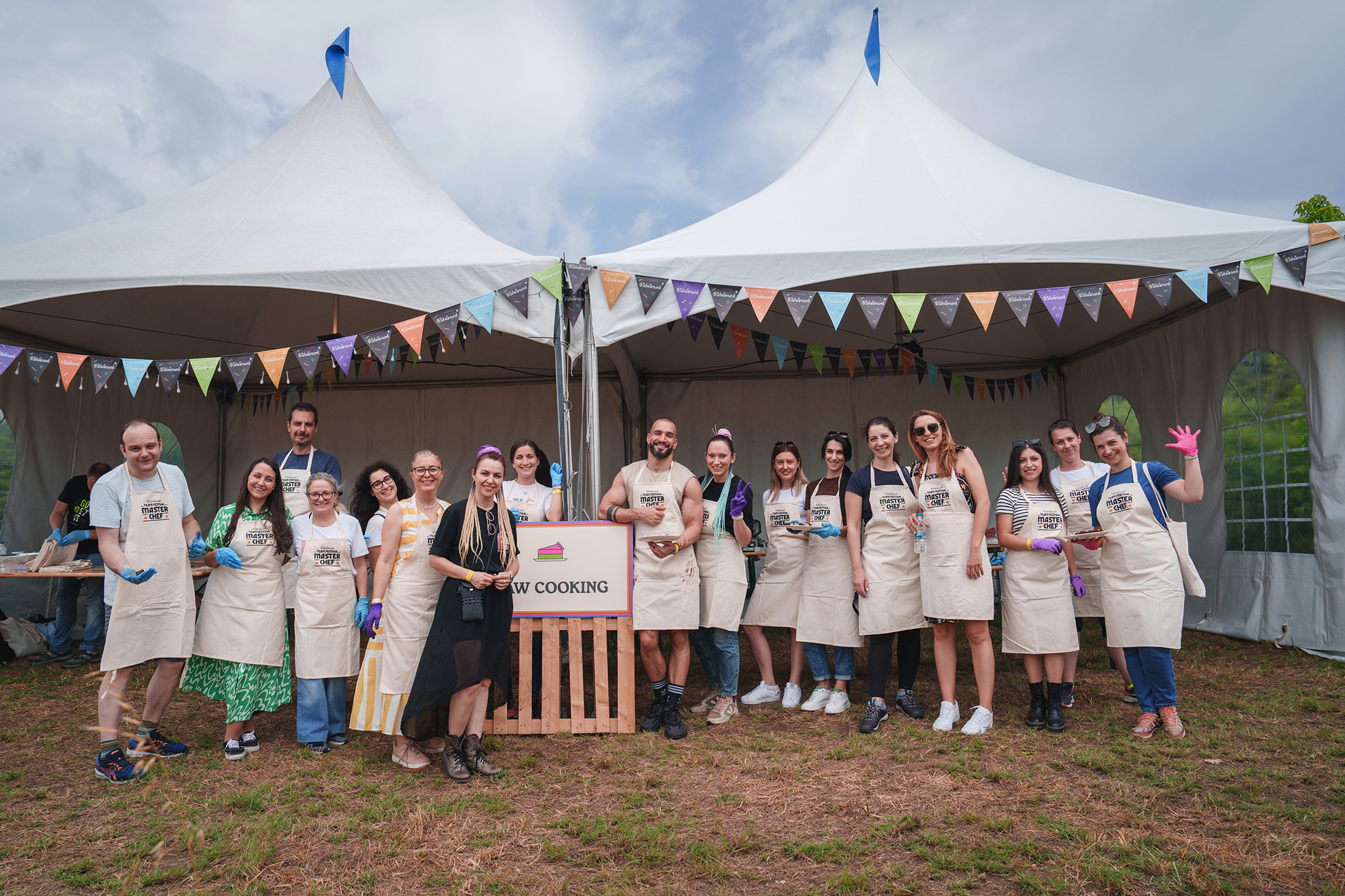
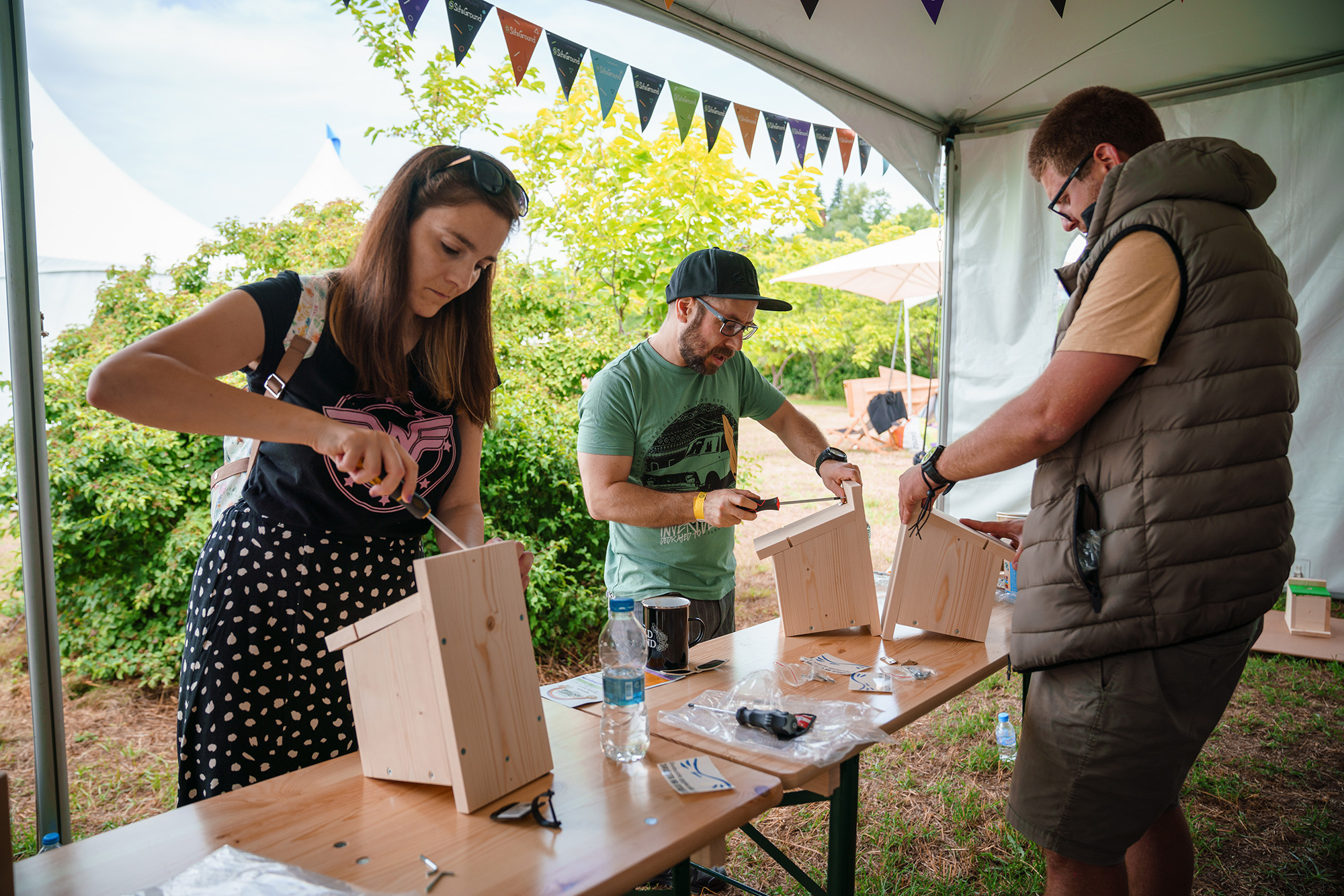
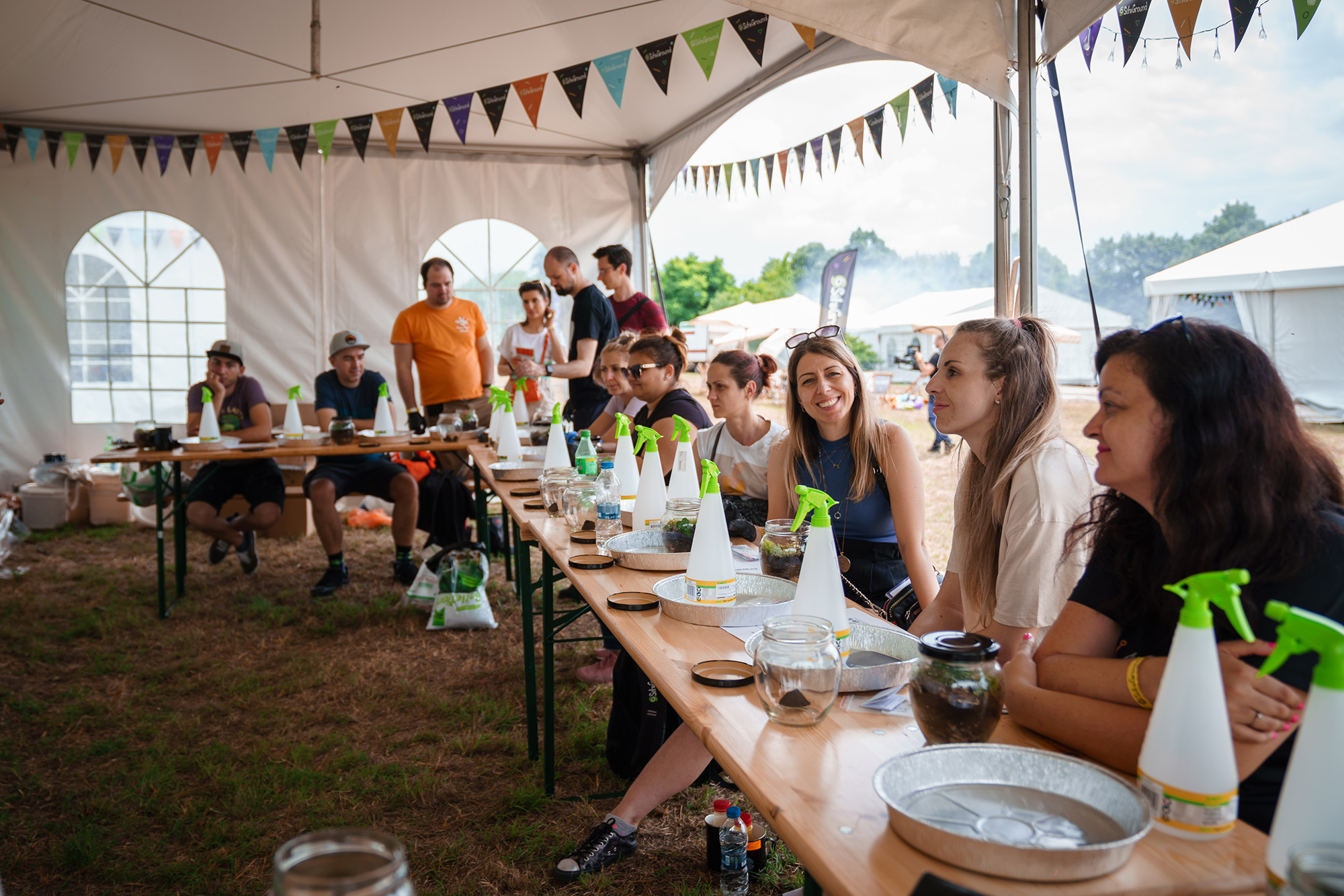
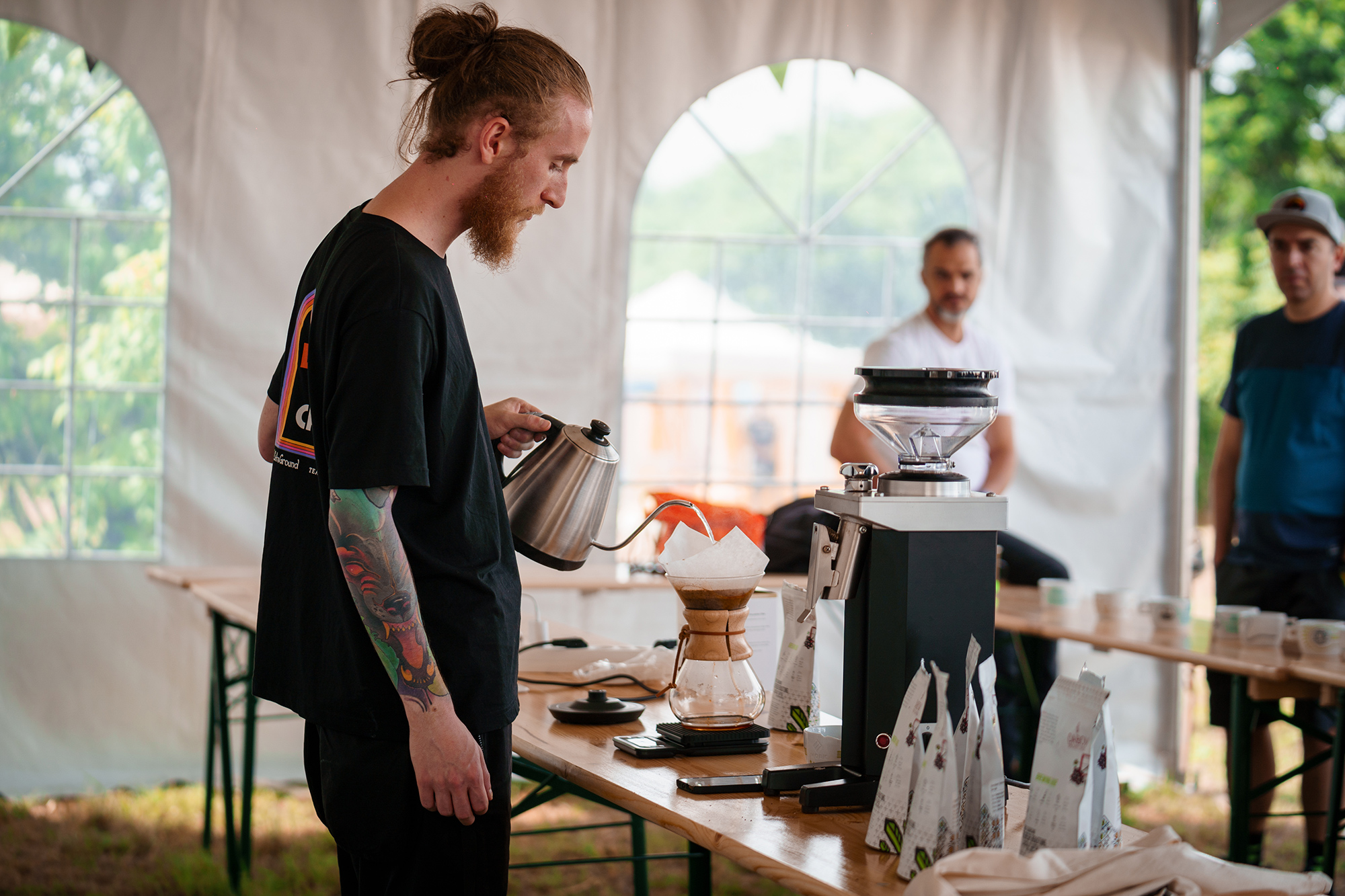
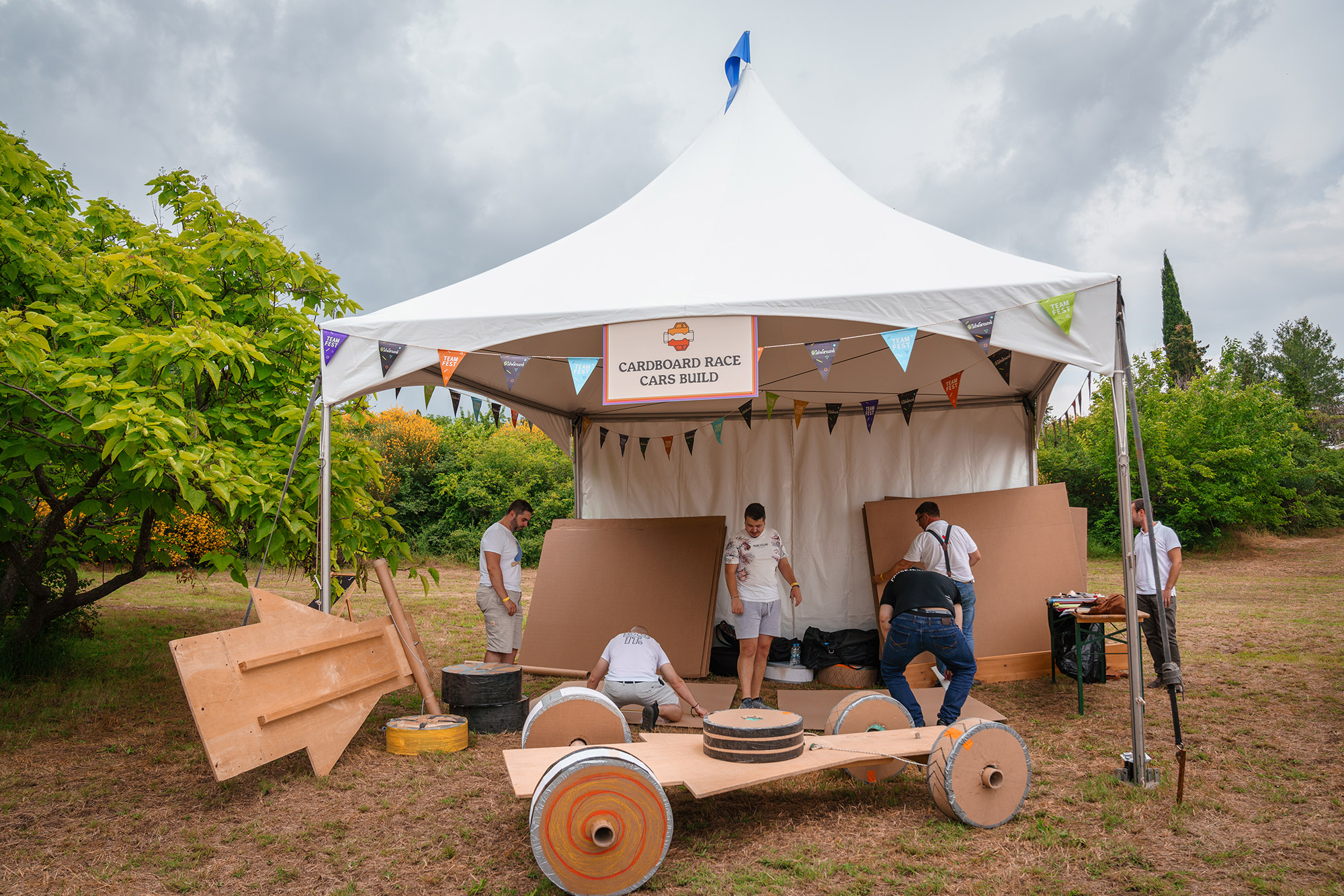
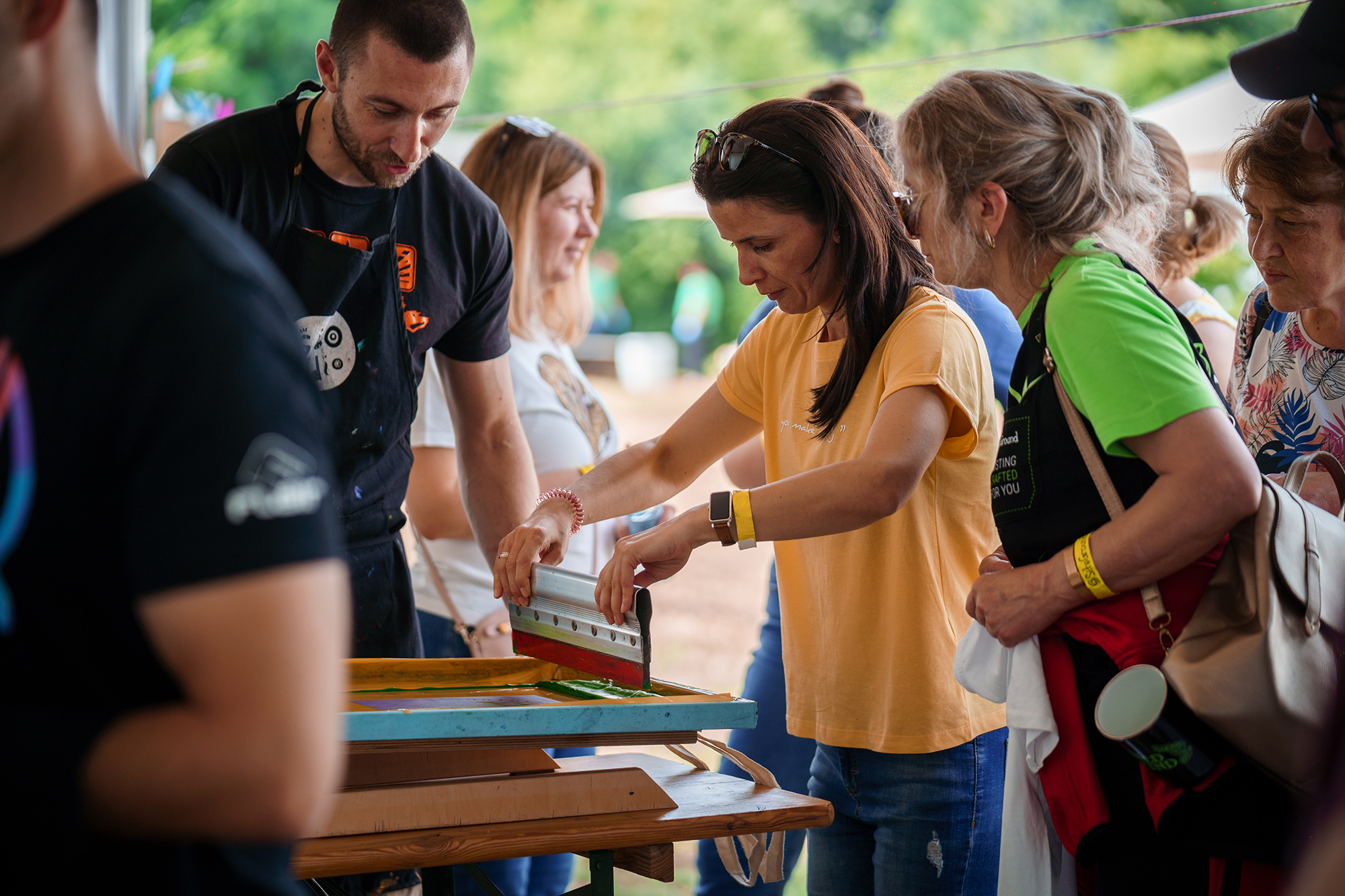
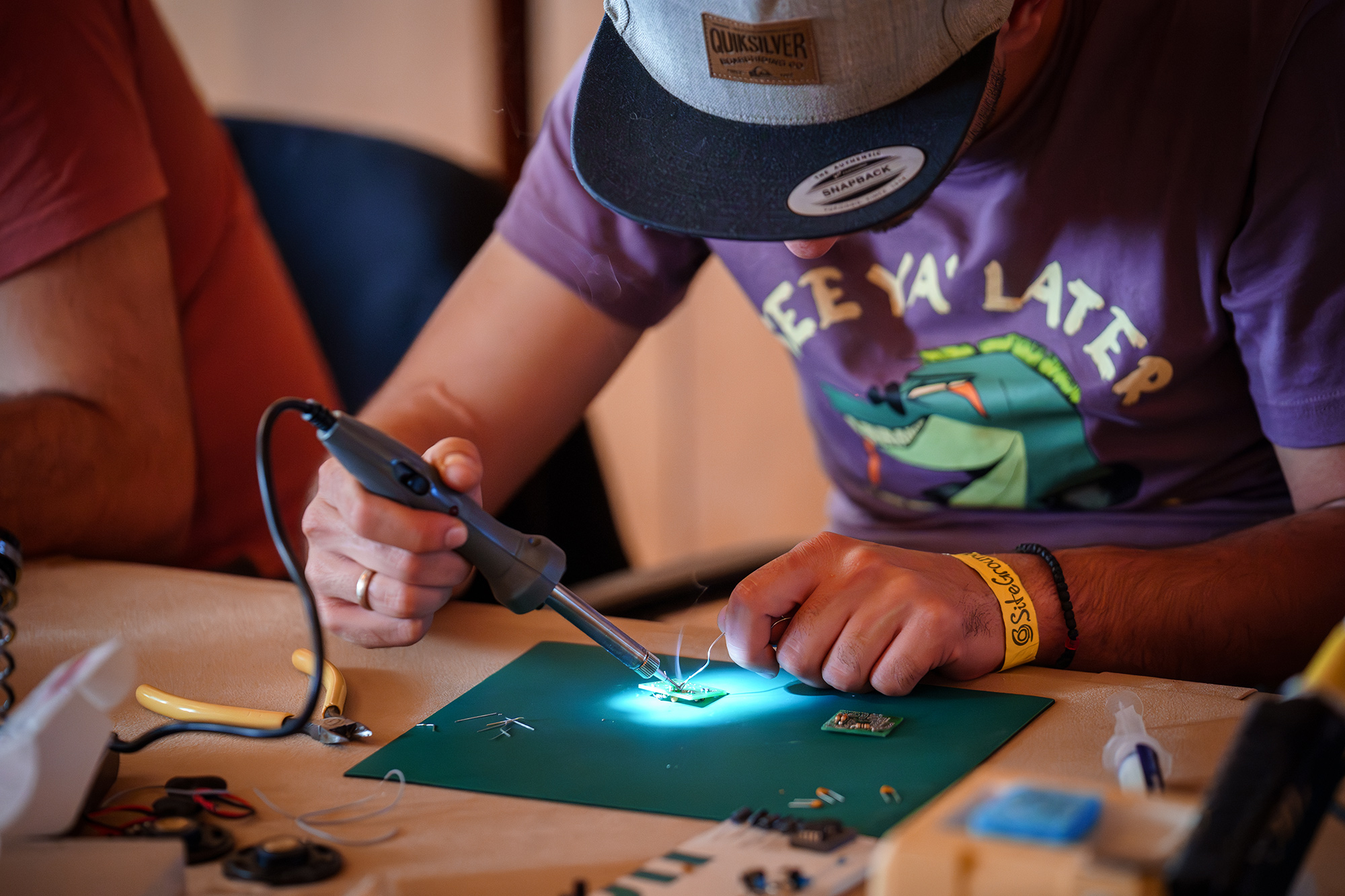
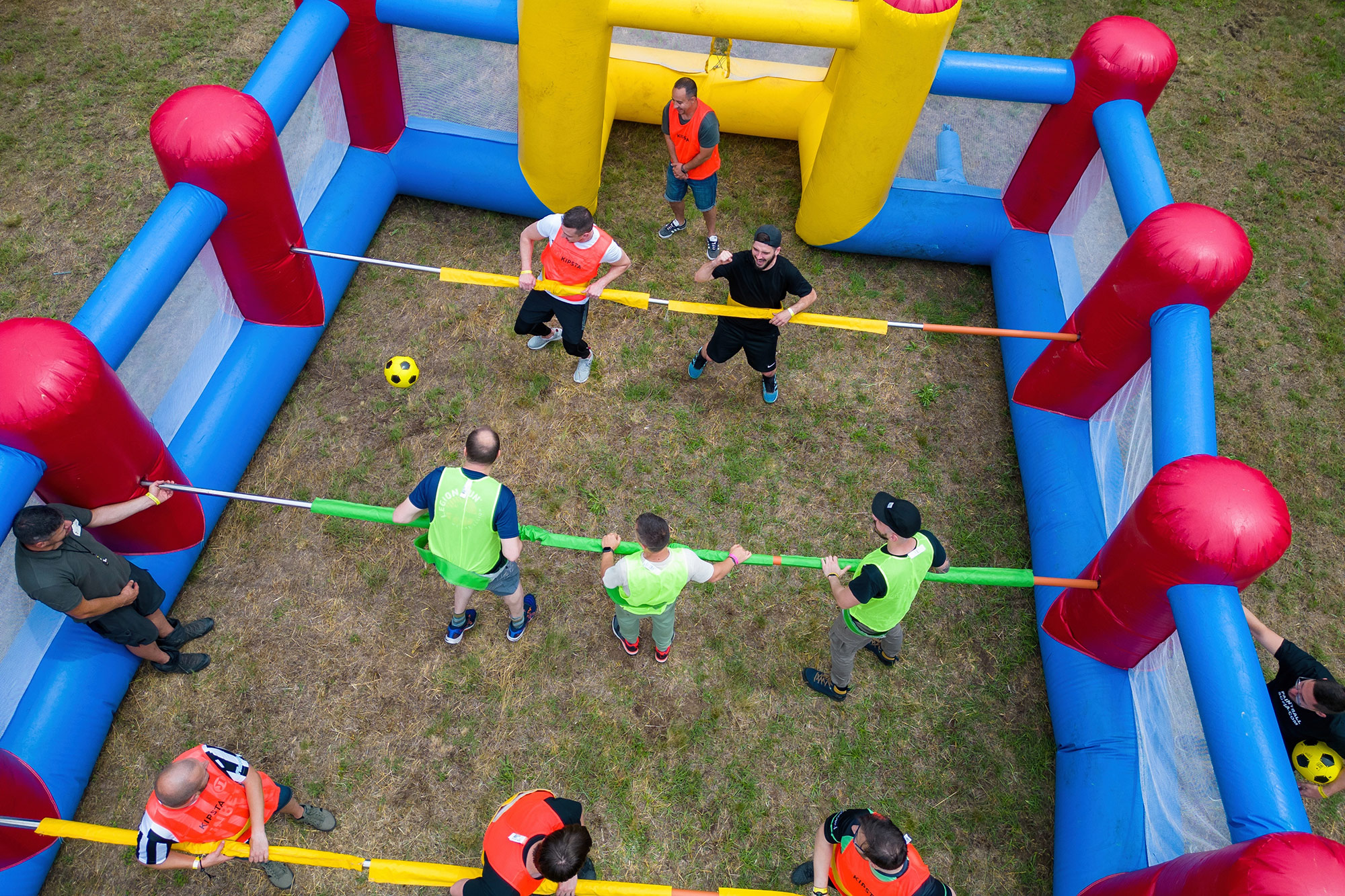
Traditionally, our team gathering is a whole festival, it spans two-days of activities and workshops, mostly led by our own colleagues. Our events team does an internal call for workshop suggestions months before the festival, and that’s how the program shapes itself naturally following the interests of the SiteGround people. From compost-making, and birdhouse workshops, to coffee & beer brewing, and screen printing of T-shirts & tote bags – we had it all! Five hundred SiteGrounders could all choose between 10 different workshops, taking up between a few hours and a whole day! The list goes on and on with multiple sports activities from the early morning to the afternoon, again, led by our own professional team instructors – yoga, pilates, workouts, football, volleyball, and table tennis tournaments. Also paintball, slacklining, archery…you name it, we had it.
The diverse range of workshops and sports activities was indeed impressive, one would wonder where we got the power for the fun festival part starting in the evening – because the best was saved for last.
🎸 Let me…entertain you
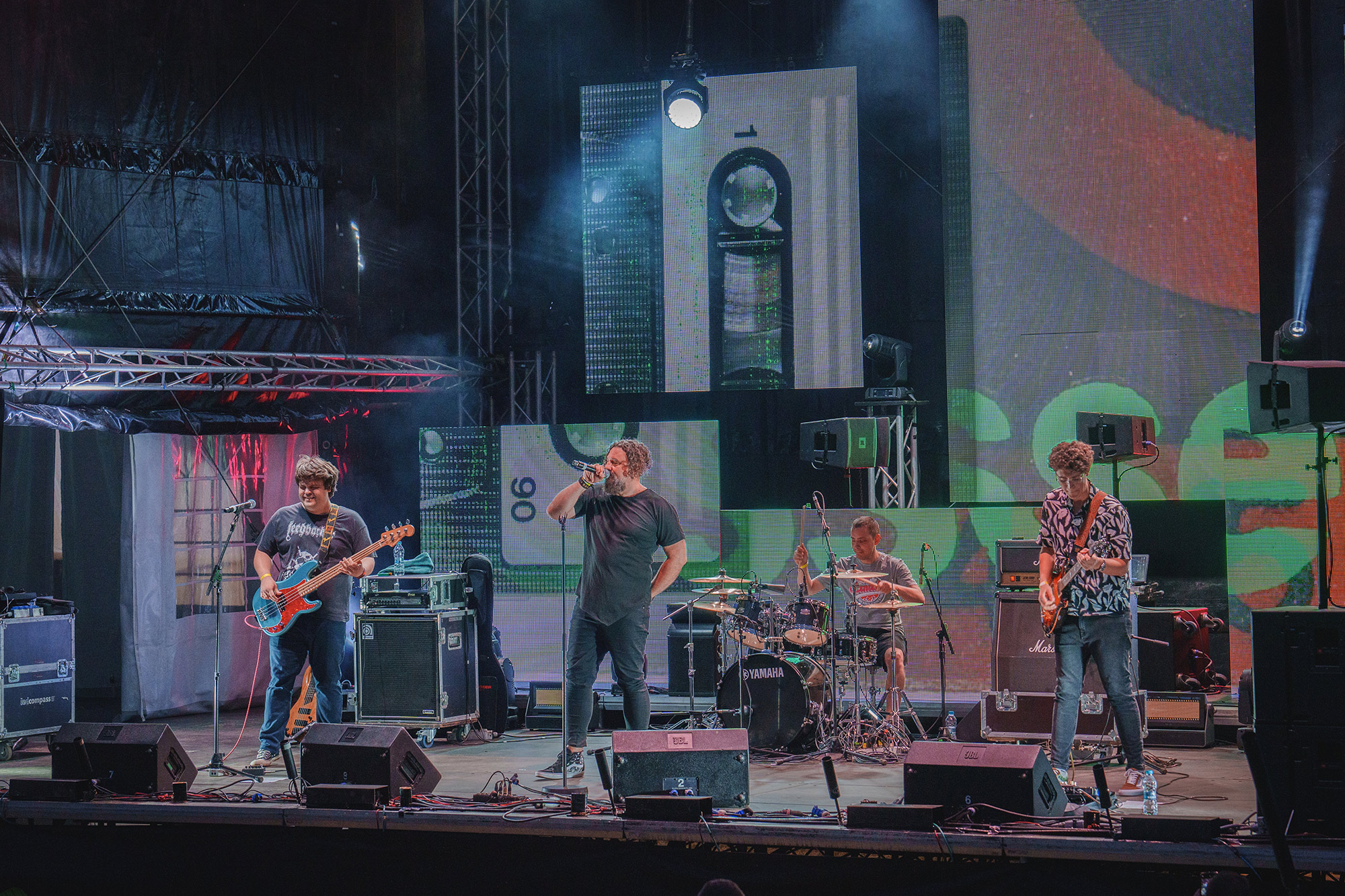
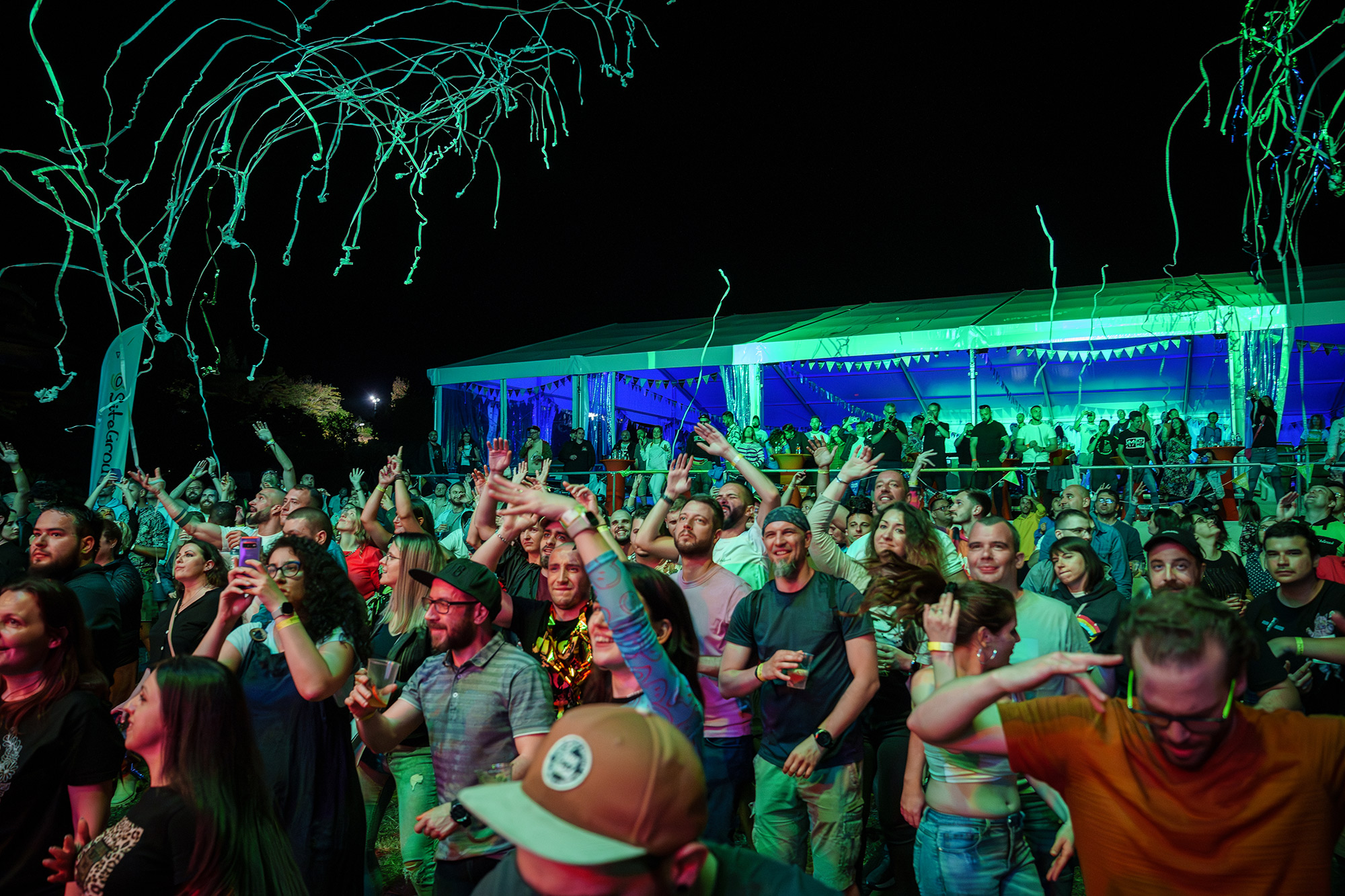
The evening started out with a whole new portion of entertainment, this time – on the full-blown 30-meter SiteGround music stage. It all began with a stand-up comedy show to warm up the stage for what was about to happen that night:
The return on stage of our in-house band – New Technical Issues that consists entirely of SiteGround employees, proven to be talented not only in fixing technical issues. The team cheered them on and enjoyed their performance so much that they had a hard time leaving the stage, as we wouldn’t let them. Next time they promised to think about a third round of encore! And that was just the beginning!
At SiteGround we work hard every day, and we always put our whole heart and mind into what we do. When we party, we keep that same high bar. That’s why the headliners on the SiteGround Team Festival 2023 were … RUDIMENTAL themselves!
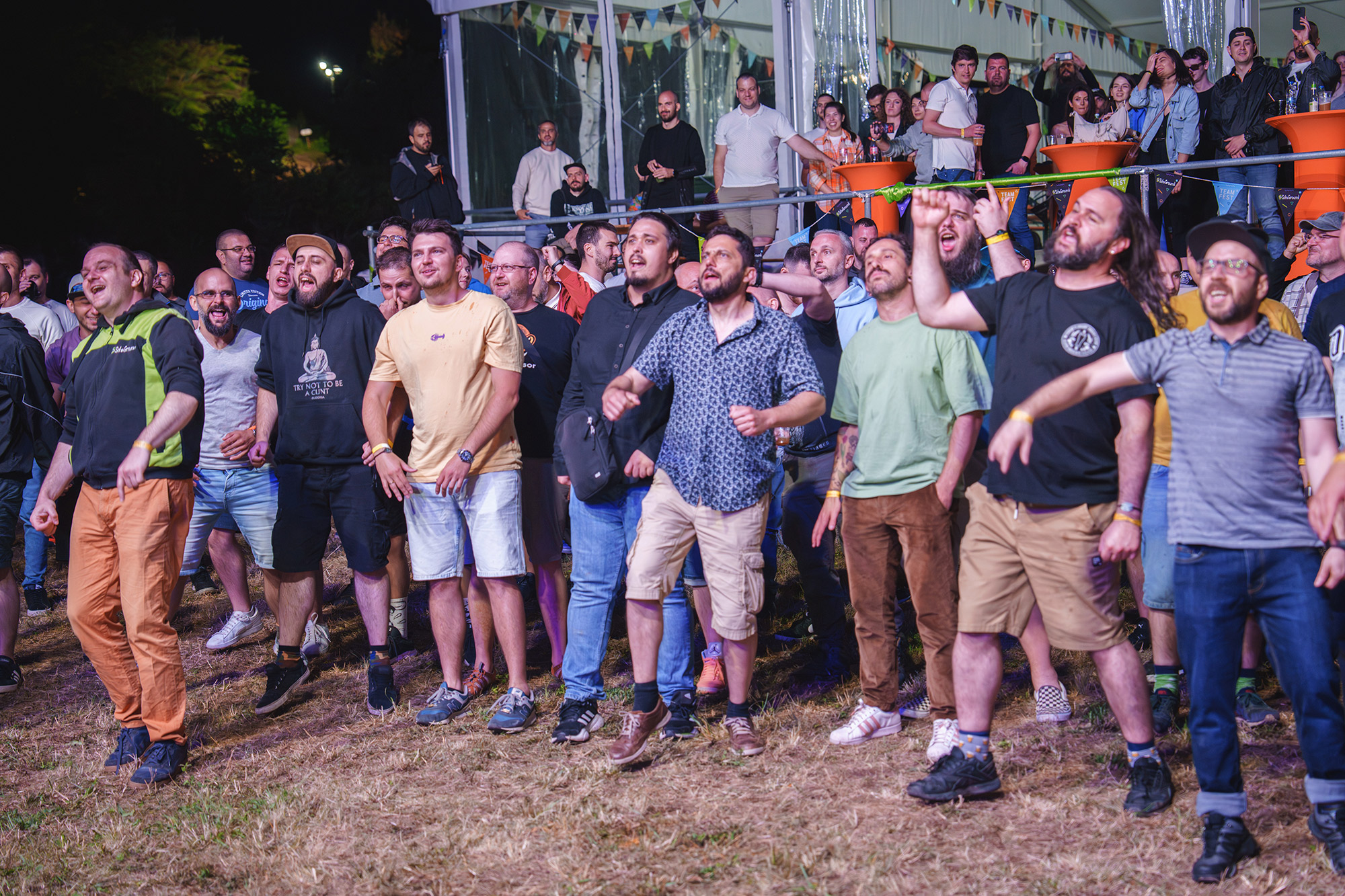
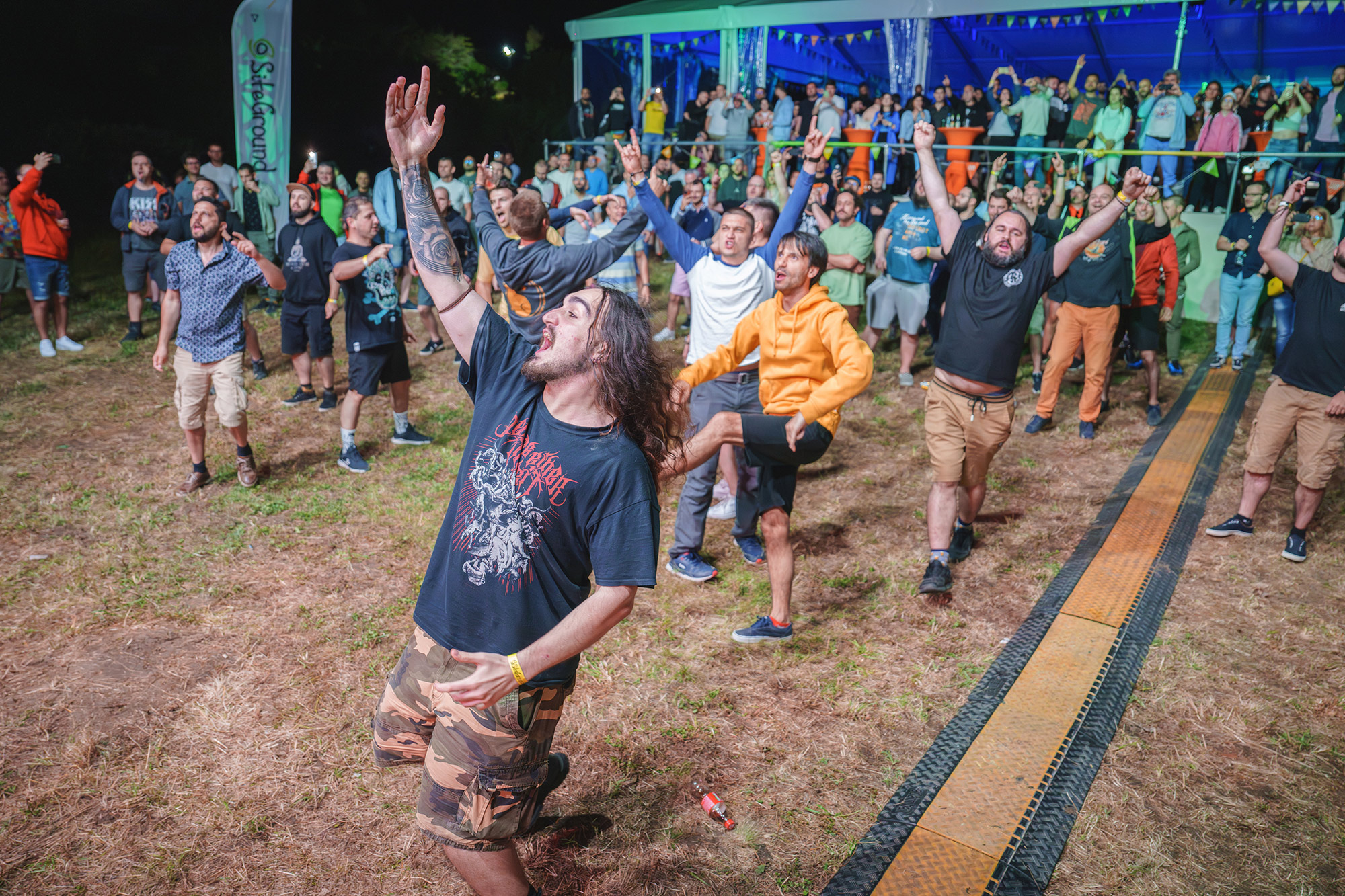
Thanks to them, our team festival cheer echoed around the surrounding woods until late that night – dancing, singing, jumping, shouting. The experience is hard to put into words!
I can’t imagine what organizing such an epic two-day event might look like, but the SiteGround team definitely pulled it off – because, again, we are organizing it ourselves. Apparently, 6 months in the making, only about 5 people in the core organizing team, over 100 outside professionals to help with the campsite site up, music stage, and healthy food catering on the spot, just so that 500 SiteGround team members and guests can rest and nurture their spirit and senses together for two days, for the fifth year now.
What’s the one thing that I learned from my first SiteGround Team Festival? SiteGrounders are never bored, and never boring.
May marks National Small Business Week in the USA for the past 60 years now. It recognizes the importance of SMBs to the U.S. economy. This year at SiteGround we went beyond that first week, and dedicated the whole month of May to helping small businesses start, grow and succeed online with informative content and useful resources:
Email course that helps you start your business online with actionable challenges to master your business skill set in one month;
Free guide: Journey of an online buyer that helps you learn how to build and optimize your website to increase conversions, based on the modern online buyer’s journey;
Tips from top business experts that help you navigate through everything you need to manage yourself – from the must-have elements on your website to the fundamental marketing channels, and many more.
To wrap up the SMB month, we prepared a fun business personality quiz to help you discover your entrepreneurial spirit and find out who is your perfect business match.
This content is only visible when the visitor has consented to marketing cookies.
Answer a few witty questions on how you approach your work and business tasks in order to:
Find out your entrepreneurial alter ego
Which one of the 16 business personalities are you – a Visionary Entrepreneur that approaches work with thoughtfulness and imagination, a Devoted Perfectionist that is committed to hard work, or someone else? Take our quiz to get a full description of your business personality straight to your inbox.
Unlock and download your custom digital badge
Once you complete the quiz, you’ll also receive your custom digital avatar, free to download and share with your friends and fellow business partners. It will correspond to your work approach and be a nice addition to your social media profiles.
Discover your entrepreneurial “soulmate”
As a bonus, you’ll learn what are the three business personalities that you work best with. Share your results with friends to find out who is your perfect business match among your friends and fellow entrepreneurs.
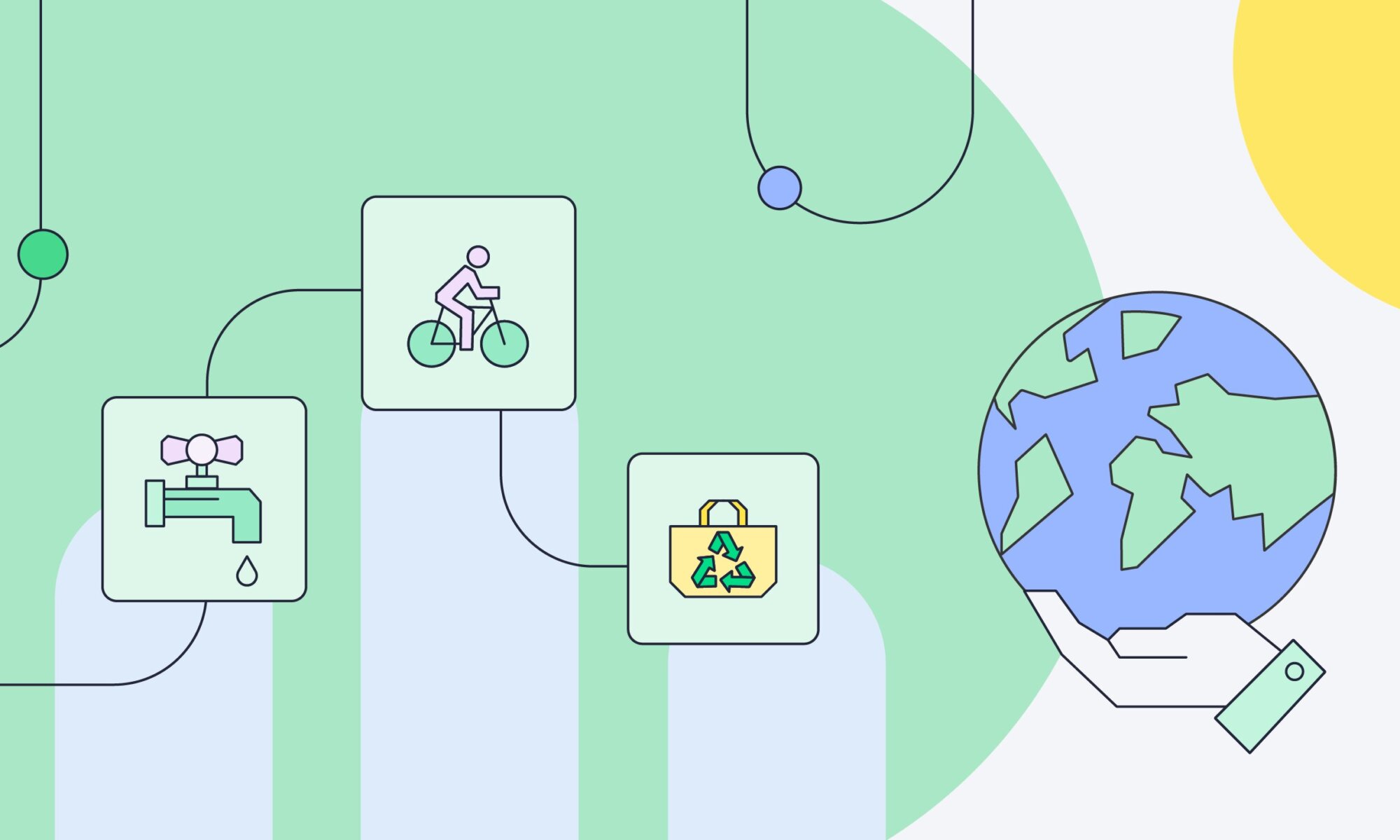
It’s been a month since we started our Internal Earth Day Bingo Challenge within the SiteGround team. Our collective efforts into living more consciously have not only impressed us but have also been recognized on a wider scale. Over 30% of our employees actively participated in the challenge. Their unwavering dedication to the well-being of our Planet, our environment, and our society has been truly inspiring.
Top Three Challenges:
Let’s shine a spotlight on the top three challenges that most team members completed during our internal Earth Day Bingo Challenge:
Choose paperless options for billing and other communications: An outstanding 88.5% of participants embraced this eco-friendly practice, reducing paper waste and minimizing our carbon footprint.
Turn off the faucet while brushing your teeth: A remarkable 85.8% of participants made a conscious effort to conserve water by turning off the tap while brushing their teeth.
Use a reusable bag for groceries or shopping: With 85% of participants opting for reusable bags, you’ve significantly reduced the consumption of single-use plastic bags and contributed to a cleaner, greener environment.
Acknowledging Our Team Efforts:
Now, let’s take a moment to applaud the exceptional efforts of our participants.
41% of all participants completed a full line in the Earth Day Bingo challenge, and they will be honored with a special badge in support of the Bulgarian Bird Protection Association.
A special shout-out goes to 11% of the participants who went above and beyond, completing the entire Bingo card. They will receive a SiteGround food box as a reward for their outstanding dedication to the planet.
Internal Campaign With External Recognition
Our hope of the internal Earth Day Bingo campaign was to achieve a meaningful impact in your everyday lives. But it also achieved remarkable recognition.
On May 15, we were awarded first prize in the category “Green internal communication campaign“ at the renowned “The greenest companies in Bulgaria” awards. We couldn’t be prouder of this achievement, which further validates our commitment to sustainability and environmental stewardship.
Here is to making a positive impact in our everyday lives and keeping up with our commitment to a better future.
This is a special time of the year for SiteGround and the vast WordPress community worldwide – WordPress, the platform that powers over 40% of all websites on the internet, is turning 20 on May 27, 2023! During almost all of its life, SiteGround has been actively involved with the WordPress project and its community, contributing, sponsoring, and providing expert WordPress hosting services to more than 2+ million WordPress sites. As we celebrate WordPress’ 20th birthday, we want to reflect on our shared journey, commemorate milestones, and express our unwavering commitment to empowering you – our valued customers and WordPress users.
A Shared Journey
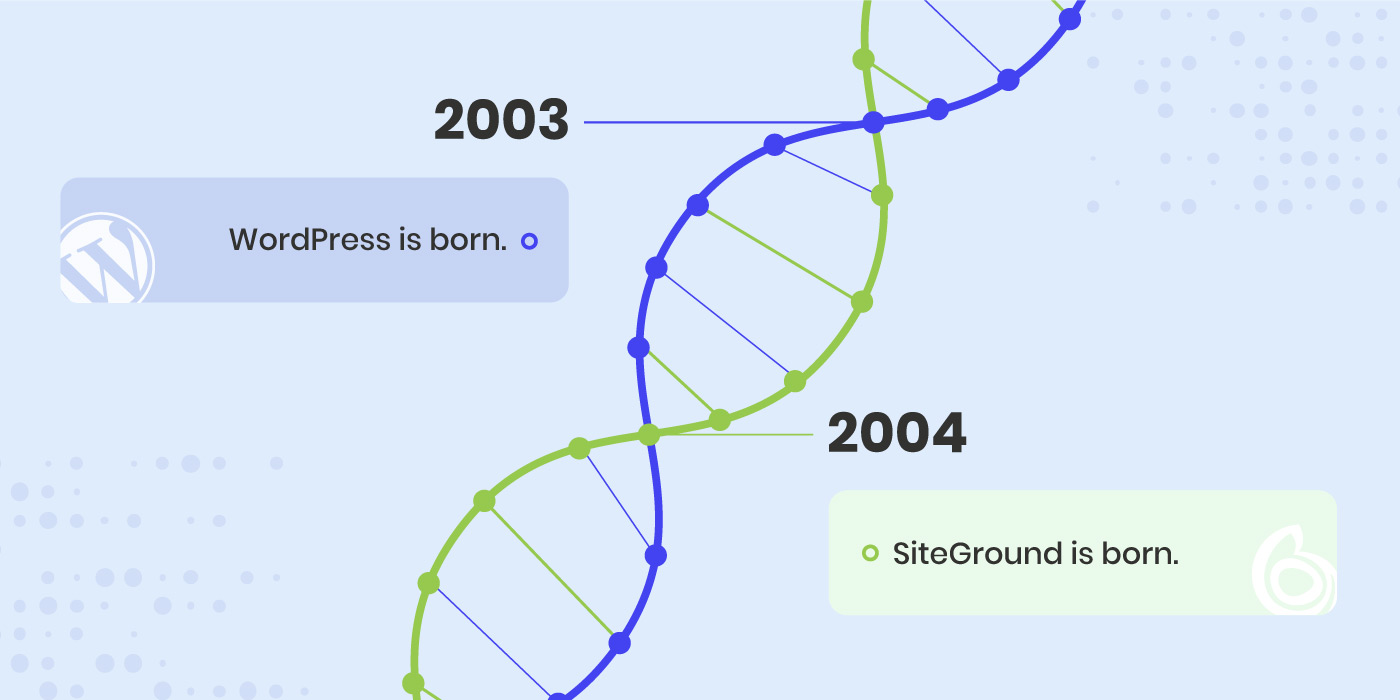
From the moment SiteGround was founded in 2004 (just 1 year after WordPress emerged), we recognized WordPress amazing potential. Back then, it was a new, blogging platform that had the opportunity to change the web – and it did! It evolved into one of the most powerful open source content management systems used by millions of websites worldwide. In these almost two decades, we have worked closely with the WordPress community, sponsoring and participating in hundreds of WordCamps and WordPress Meetups worldwide. During all these years we have been contributing to the project, offering our expertise, and developing a powerful platform for WordPress users to create, innovate, and thrive.
Contributing to better WordPress
Ever since the beginning, WordPress development has relied heavily on the contributions of its users. There is tons of voluntary work involved in maintaining, improving and developing WordPress. SiteGround has dedicated many hours of work of different members of its team to address various needs of the project. Some of our team members have contributed code, others organized events and translated help articles, etc. We have also supported external contributors, all with the purpose of helping make WordPress better for everyone using it. As a company, we believe that contributing to the WordPress project is one of the ways to pay back to the community and the opportunities WordPress brought to us and our clients. You can check our company profile and current list of active contributors on wordpress.org website.
In addition to contributing to the WordPress core and project needs, we have developed two of the most popular free-for-all plugins – the SiteGround Security and SiteGround Optimizer plugins. The plugins provided us with the opportunity to share our hosting expertise beyond our own hosting platform and enabled millions of WordPress users to immensely improve their websites’ security and performance – two of the pillars of any successful website.
Bringing the WordPress community closer
One of the key pillars holding WordPress community together are the community events – the most common being the WordPress Meetups and the WordCamps where diverse WordPress members come together to get to know each other, exchange ideas and find ways of cooperating more efficiently. Ever since 2011, SiteGround has been one of the main sponsors of WordCamps and later on of Meetups, helping empower these live interactions. As of this month (June 2023) we are also a Global WordPress sponsor, thus supporting pretty much all WordPress events around the world.
Providing hosting expertise
Throughout this amazing journey, SiteGround has been proudly supporting WordPress users in creating and managing their digital presence with premium hosting services designed specifically for WordPress websites, custom tools and features, custom plugins and more. Our commitment to delivering a high quality service has been recognized on the official wordpress.org/hosting website, where we are one of the only three recommended hosting providers.
Together with WordPress, we’ve reached numerous milestones. From WordPress’ evolution as a simple blogging platform to a full-fledged content management system, to SiteGround’s development of a state-of-the-art hosting platform with powerful WordPress tools and features, our combined journey has been nothing short of spectacular.
We are incredibly proud of our close relationship with WordPress and the immense value it has brought to our users. As a testament to this commitment, we continue to innovate and offer an extensive suite of WordPress-specific features and a premium hosting service. As WordPress continues to grow and innovate, so do we. Our goal remains to provide you with the best possible hosting environment for your WordPress website.
Thank you for being part of this incredible journey! Here’s to WordPress’ 20th Birthday, and here’s to another 20 years of innovation, growth, and shared success with SiteGround and WordPress!
If the internet was a country, it would be the 4th largest source of carbon emissions. On average, a website produces 1.76g of CO2 per visit from the processing power needed to load and deliver the page. That’s why as a website hosting provider we have a responsibility to optimize our services and the performance of our clients’ sites to minimize these negative effects as much as possible.
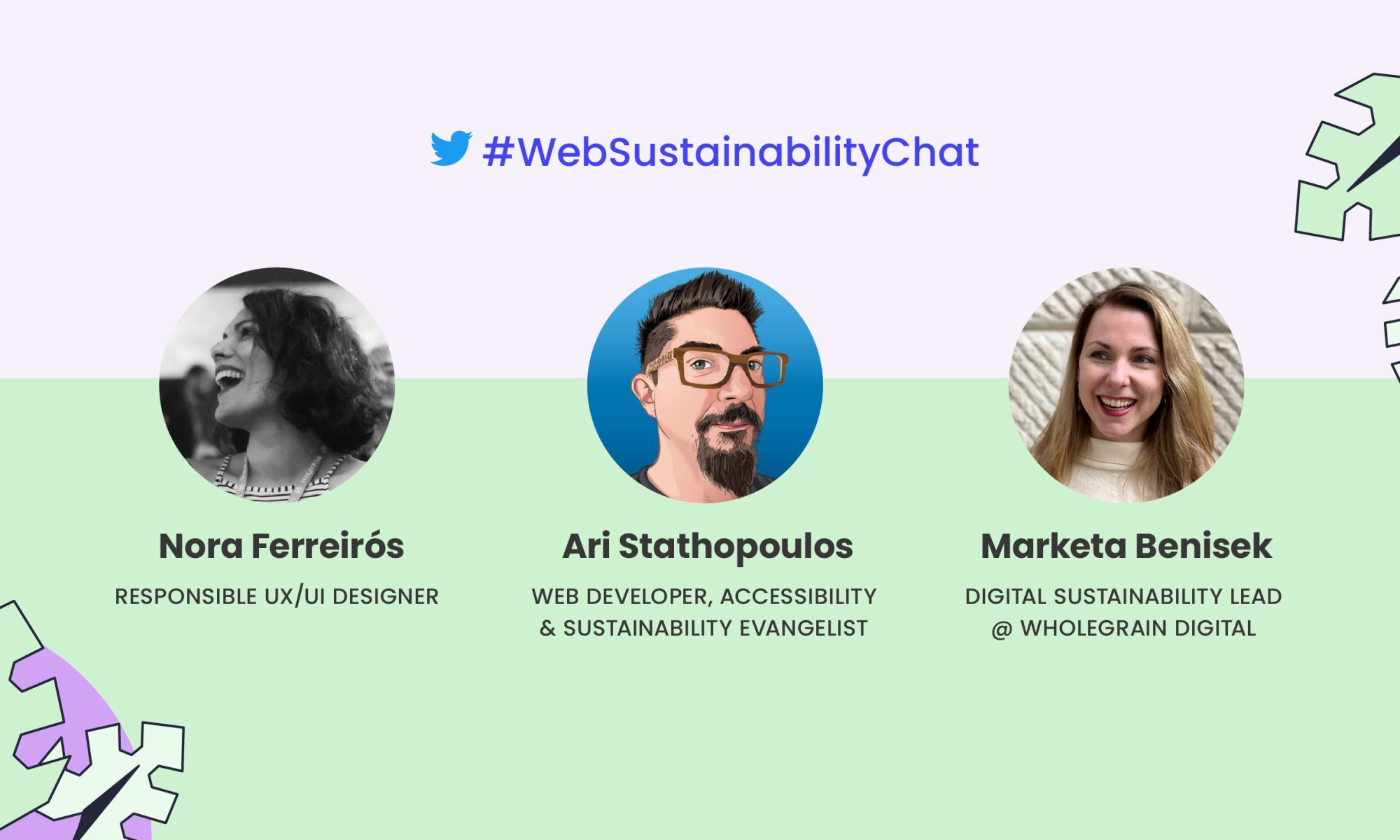
To dive deeper into the topic of website sustainability, we organized a #WebSustainabilityChat on Twitter along with several experts in different fields of website development – Nora Ferreirós (@noraferreiros), Responsible UX/UI Designer, Ari Stathopoulos (@aristath), Web Developer, Accessibility & Sustainability Evangelist, and Marketa Benisek (@MarketaBenisek), Digital Sustainability Lead at WholeGrain Digital. Here’s a summary of their discussion with some useful tips and tools to help you measure and reduce your website carbon footprint.
How do websites contribute to carbon emissions
In short, the faster your website, the less server resources it uses. Likewise, the simpler the website, the less data it uses. Website speed optimization and keeping things simple are good both for the environment and for saving energy.
“Every bit of information you put on a website will need energy. The more information you put on your website, the more energy you need, and the more carbon emissions you will contribute to,” points out Nora Ferreirós, Responsible UX/UI Designer.
How to measure your website’s carbon footprint
Our experts agree that there’s no need to use many tools to measure your website’s carbon footprint, but rather find one tool that gets the job done. You simply run a test, make improvements on your site and see if that has an impact: “It doesn’t matter which tool you use, just use one consistently and make comparisons to see if your changes make sense,” says Ari Stathopoulos, Web Developer, Accessibility & Sustainability Evangelist. Here are a few examples that you can use:
The Website Carbon Calculator “gives context about the energy you consume with your website by comparing it with non-digital stuff – your website consumes X kg of CO2, and it’s the size of a car, for example”, explains Nora Ferreirós.
“Ecograder is more about metrics and all the settings you should improve in order to reduce your website’s carbon emissions,” says Nora Ferreirós.
Keep in mind that apart from using such tools, it’s even more important to have context about sustainability, Nora Ferreirós, points out because “sustainability is a way of doing things and understanding how they work – it’s not just about metrics”. The decisions you make about your website are just as important as the technology and tools you use, she adds.
5 tips to reduce your website’s carbon footprint
Once you’ve measured the carbon impact of your website or particular webpage, it’s time to work out a way to reduce their carbon emissions. Here are some top tips and immediate actions you can undertake to improve your website sustainability:
Improve your website’s performance
Let’s first look at the bigger picture in terms of website performance. According to Ari Stathopoulos, the best way to optimize your site is to get rid of all the things that are not related to what you actually want to do.
To explore this point, he gives an example with a website that sells T-shirts, for instance. In his opinion, most website owners would want their site to have everything – 10 images on the product page, a video presentation, plus a slider at the top with related products, and all that other stuff that are not really necessary in order to sell the actual T-shirt.
Marketa Benisek, Digital Sustainability Lead at WholeGrain Digital, elaborates further and explains that it all comes down to the elements that are causing the individual webpages and the website to be larger than necessary. In her opinion, these are usually “either very large stock images, or videos that are data heavy”. Here’s some advice on the images and videos:
Reduce the size of your images
As Marketa Benisek points out: “For example, if you have thumbnail images on the website’s team page, even though those images appear small on the site, they can sometimes be uploaded as full-size, like 1MB or 2MB. By reducing the size of those images, you also significantly improve the speed of that page.”
Rethink how you use videos on your site
If you have any videos, you might need to rethink the way you use them. First of all, “think whether the video really serves the purpose or whether it can be replaced, perhaps, with an svg animation, instead of a full-on video, and also avoid autoplay videos,” Marketa Benisek continues. Ari Stathopoulos adds another smart alternative as well – if you want to show a presentation of a product, you don’t need to embed a video, you could just link to the video on YouTube.
Optimize your website’s data transfer
To optimize your website’s data transfer, your starting point should be the notion that everything you put on your website is data – “every single pixel is a piece of data that people will have to download from the website,” Marketa Benisek points out.
You need to start with one step at a time. As Nora Ferreirós advises, it’s important to begin with having less things on your website (just the ones you need) and then build them up, if needed. The reason is that it would be more difficult to optimize a website later on, once it’s already big and has a lot of things: “If you want to optimize your data transfer, just transfer less data,” Nora Ferreirós says.
In case you already have lots of things on your website, you need to reduce them, as this can significantly reduce the overall size of the website, therefore the data transferred, and eventually the carbon footprint.
Bottom line is to keep everything on your website simple, minimal and clear for your users to easily find what they’re looking for. To achieve this, you need to “think about what would be most useful to your users and have an understanding of who your users are,” Marketa Benisek concludes.
Apply UX/UI optimizations
Not only should you have an understanding of who your users are, but also an understanding of how they are interacting with your website. For this purpose, you need to design the user journey on your website.
If you’re clear on who your audience is, then design your website accordingly, “simplify the entire user experience and make sure people find it easy to navigate when they visit your website”, Marketa Benisek advises. Nora Ferreirós shares an insight on how to achieve that: “A great exercise to keep things simple is to think about you as a user. When you’re a user, you don’t want things to be complicated, you want to understand what people are selling to you, so think as you navigate a website and apply this to your own.”
Once you’ve identified the user journey, the best way to achieve the objectives you have for your users, is to focus on one thing that you want to say. In Marketa Benisek’s opinion, simplicity on websites signifies a lot of confidence. For instance, Apple is one of the best examples to take as an inspiration. They have very little information on their pages, but they’re straight to the point. They only feature the information that people are looking for.
When your objectives and messages are clear, think about the website as a whole project, not about specific features (sliders, or videos, etc.) – only then you’ll be able to optimize your website and your UX/UI, Nora Ferreirós advises. Every part of your website should then work together for that main objective, she adds.
Adapt SEO practices
SEO also plays a huge role in website sustainability. For this purpose, Ari Stathopoulos advises you to think about the user journey again. He explains that most people go in a search engine, search for something, land on a website, and if it’s the wrong website, they try again with the next one and so on. Therefore, you need to be concise with your message – the clearer the text is, the more related users you’ll get, in his opinion. He warns that, on the contrary, “if you do keyword stuffing, all sorts of people will land on your website and none of them will stay, because your website will not be what they are looking for”.
SEO is indeed important, but we also need to keep it human, Nora Ferreirós warns. We sometimes begin to work for machines, while we’re supposed to work for people – get your website ready for helping humans and for giving them services and products they need, she points out.
Choose a sustainable hosting partner
The last but not least part of the puzzle is your web hosting provider. Ari Stathopoulos points out that there’s a lot of blame on hosting providers, regarding greenhouse emissions, but in conclusion he agrees that more web hosting companies are turning green, and that’s a strong and important tendency.
Here are a few questions to ask when choosing your web hosting provider, in order to make sure they are providing green and sustainable services:
Do they use renewable energy for their data centers?
Do they improve server software to minimize resource consumption?
Do they optimize websites for higher performance and less data transfer?
Do they have a sustainability-oriented company culture?
At SiteGround, for example, our efforts are dedicated to creating a green web hosting environment that helps both our business and our clients’ websites be sustainable.
Our data center network is powered by the premium Google Cloud platform that matches all electricity consumed by the servers with energy from renewable sources;
Our custom PHP setup lowers the server memory usage and gives more space for the server to handle more website traffic faster;
Our SiteGround CDN, SuperCacher, and other in-house built solutions maximize websites’ performance and increase their efficiency;
Our company operates in green offices and regularly initiates and supports green social causes.
Wrap up
The top advice our experts recommend to all website owners is to keep things as simple as possible. That will not only help your users navigate easily through your website, but also significantly reduce your website’s carbon footprint.
Check our YouTube recording to hear the whole Twitter chat conversation and follow us on Twitter for more news and discussions on useful topics.